Skip to content

Looking for a soothing drink that actually fits your post-surgery lifestyle? This Bariatric Seed Tea Recipe might be the gentle boost your routine needs. It’s light, hydrating, and made with simple seeds you probably already have in your kitchen. I first tried it when plain water felt boring, and I was surprised how comforting it was. Curious whether a simmered blend or a soaked version works better for you? Let’s find out.
Who This Recipe Suits
This Bariatric Seed Tea Recipe works well for folks who’ve had gastric sleeve, bypass, or band procedures and want something lighter than plain water. The blend is gentle on the stomach, can ease digestion, and doesn’t load you up with caffeine. It’s also a nice option if you’re tired of the same protein shakes on repeat.
That said, not every stomach reacts the same way. If reflux is already a battle, or if seeds trigger allergies, this may not be your best friend. Always check with your care team before adding new drinks.
Ever wish there was a middle ground between plain water and heavy shakes? This tea might be that sweet spot.
Safety First
Seeds can be sneaky. Once they hit water, they swell up fast; the American College of Gastroenterology warns against eating dry chia because the seeds expand and can lodge in the esophagus. If you don’t strain them well, that thick gel can be tough on a healing stomach. I learned this the hard way when I rushed a cup without straining, and let’s just say it wasn’t my most comfortable sip.
Sip slowly and keep your serving small at first, and keep working toward your daily fluids; the American Society for Metabolic and Bariatric Surgery advises most patients to drink about 64 ounces or more per day. If reflux is already on your radar, start with a lighter brew or cut the portion in half. Allergies to cumin, fennel, or basil seeds are rare but possible, so check labels if you’re not sure.
And of course, no recipe replaces advice from your care team. A quick “Can I try this?” is always worth asking. After all, who wants to gamble with a brand-new stomach?
Method 1 – Cumin Fennel Ajwain Simmered Tea

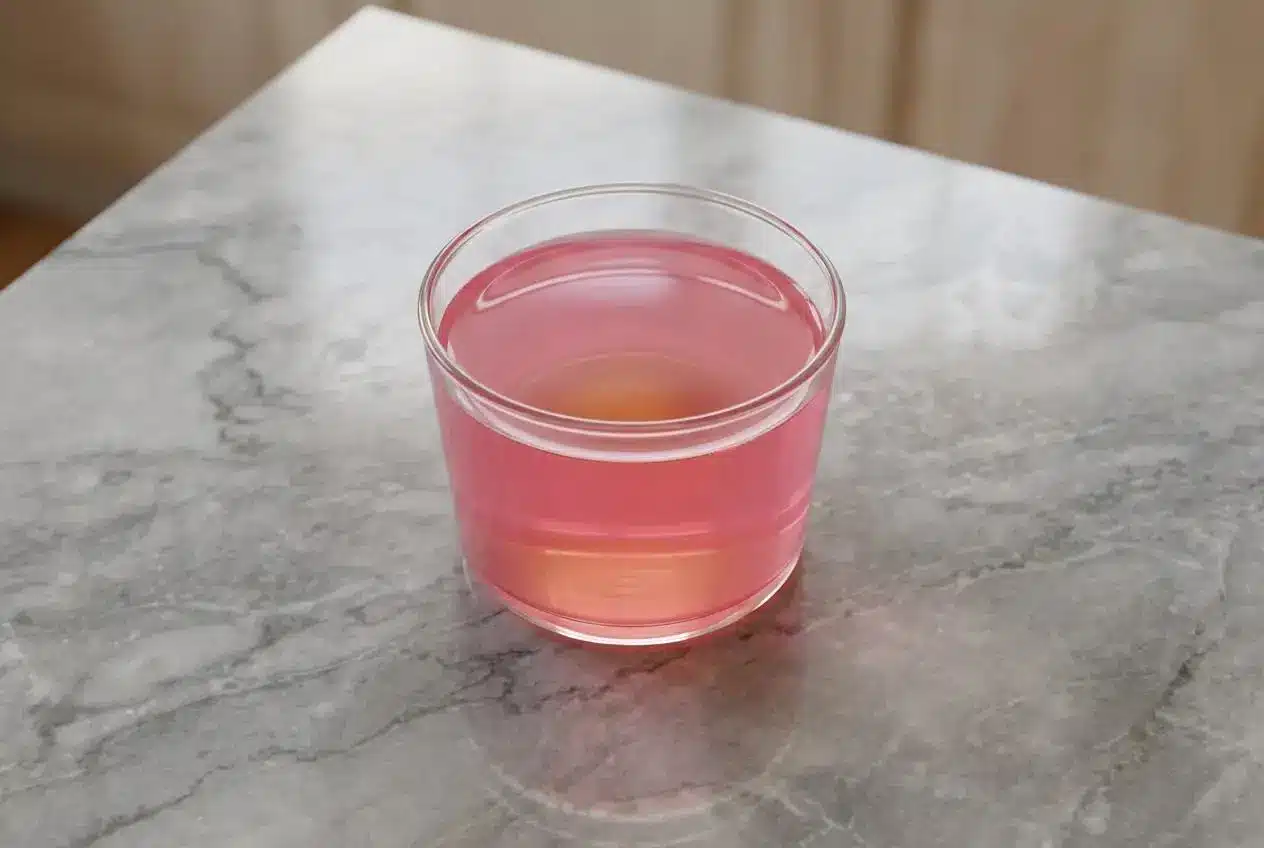
This version is a favorite when you want something warm, light, and easy on the stomach; Cleveland Clinic notes that herbal teas like fennel can aid digestion and help process gas. Simmering the seeds pulls out gentle flavor and creates a tea that feels soothing, especially on days when plain water just doesn’t cut it. I often brew this in the evening as a calming ritual.
Ingredients

- 1 teaspoon cumin seeds
- 1 teaspoon fennel seeds
- 2.5 cups water
- 1 teaspoon basil seeds, soaked in water for at least 15 minutes
Step by Step
- Add cumin and fennel seeds to a small pot with water.
- Bring the water to a boil, then reduce to a gentle simmer for 5–7 minutes.
- Strain the liquid into a mug to remove all seed bits.
- Stir in the soaked basil seeds right before serving.
- Let it cool slightly so it’s warm and pleasant to sip.
Tolerance Tips
Start with half a cup if you’re unsure how your stomach will handle it. Sip slowly, not in big gulps, and keep the tea warm instead of piping hot. Strain thoroughly for a smoother drink. If the flavor feels strong, add a little extra hot water to thin it out.
Flavor Ideas
Fresh ginger gives it a mild kick, while lemon or mint adds brightness. A dash of cinnamon makes it cozy and spiced. On chilly days, I like to toss in one clove, it turns the tea into something that feels almost like a comfort blanket.
Method 2 – Basil Seeds or Chia Soaked Tea

If simmering feels like too much effort, this chilled version might be your new favorite. Soaking basil seeds or chia creates a gel-like texture that holds water, which means a slow and steady release of hydration. I reach for this on warm afternoons when plain water feels boring.
Ingredients
- 1 teaspoon basil seeds or chia seeds
- 1 cup water (for soaking)
- 1 cup brewed tea or flavored water (as a base)
Step by Step
- Rinse the seeds quickly to wash away any dust.
- Place them in a cup of water.
- Let them soak for 15–20 minutes until they swell and form a soft gel; research describes chia’s mucilage creating a gel when hydrated.
- Strain if the mixture feels too thick for your liking.
- Add the soaked seeds to cooled brewed tea or flavored water, then serve.
Tolerance Tips
Try a half serving first to see how your stomach responds. Strain thoroughly if the gel feels heavy, and add more water if the drink seems too dense. Sip slowly and give yourself time to adjust to the texture.
Flavor Ideas
Add lemon, lime, or orange slices for a citrus kick. Use chamomile or decaf green tea for a calming base. Mint and cucumber make it crisp and refreshing. Personally, I love squeezing a little lime in mine, it feels almost like a healthy mocktail.
Stage Guide
Not every drink is safe right after surgery, so it helps to know where this recipe fits. I remember feeling lost about what I could actually sip, and having a guide like this would’ve taken the guesswork out of those early weeks.
Clear Liquids
At this point, everything you drink needs to be light and strainable; clinical guidelines describe an initial clear-liquid phase early after surgery, followed by a full-liquid phase. Keep the serving tiny and watch closely for any discomfort.
Full Liquids
Once you’ve moved here, you may be able to try a strained seed tea in small amounts. Think half a cup at most, sipped slowly. This stage is about testing tolerance, so listen carefully to your body and adjust.
Soft Foods and Beyond
When your diet expands, you can loosen up with portion size and add-ins, and try a gentle breakfast like High Protein Overnight Oats. A thicker soak-based tea with basil or chia might work, and you can start playing with flavors like ginger, lemon, or mint; later on, a small slice of Gluten Free Bread can pair nicely. Ever wondered when tea could feel like a treat again? This is usually that moment.
Variations and Swaps
Seed tea doesn’t need to taste the same every time. A few simple changes can make each cup feel fresh, and honestly, I like to play around with flavors so it never feels like a chore to drink.
- Seed swaps: Try flax or pumpkin seeds, but make sure to strain them well.
- Flavor add-ins: Fresh ginger, mint, cinnamon, or a squeeze of lemon or lime can completely change the vibe.
- Sweetener options: Stevia or monk fruit work if you like a touch of sweetness. If your plan allows, a drizzle of honey can round it out.
- Base changes: Use decaf green tea, chamomile, or even plain warm water instead of the usual brew.
- Add-ons: With your care team’s approval, a splash of electrolyte powder or light protein mix can give it an extra boost.
Why settle for the same flavor day after day when you can mix things up and keep your taste buds happy?
Common Mistakes and Fixes
I’ll be honest, I’ve botched this recipe more than once. The good news is, every mistake has a quick fix, so don’t feel like one slip means your cup is ruined.
- Over-soaking seeds: They turn slimy and heavy. Fix: strain them well and thin the drink with extra water.
- Under-soaking: Seeds stay hard and unpleasant. Fix: give them the full 15–20 minutes to soften.
- Using too many seeds: The drink turns into a gel bomb. Fix: cut the seed amount in half.
- Skipping the strain: You’ll get grit in every sip. Fix: run it through a fine mesh strainer.
- Making it too strong: Flavor feels overpowering. Fix: add hot water or squeeze in lemon to lighten it up.
Isn’t it better to tweak a recipe and enjoy it than toss it down the sink?
Storage and Make-Ahead
Let’s be real, not everyone has time to make tea from scratch every single day. I usually brew a little extra at night so I’ve got something waiting for me in the fridge the next morning.
- Store strained tea in the fridge for up to 24 hours, and move it to the refrigerator within 2 hours of making it.
- Stir or shake before drinking since seeds and flavors can settle at the bottom.
- Skip storing unstrained seeds for long; they get mushy and lose their appeal fast.
- Warm it gently on the stove if you prefer it hot, or sip it chilled straight from the fridge.
Why not save yourself the hassle and keep a refreshing cup ready to go?
Tools
You don’t need a kitchen full of gadgets to make this tea. Honestly, I use the same setup I use for my morning coffee, and it gets the job done every time.
- Small pot: Perfect for simmering the seeds in water.
- Fine mesh strainer: The real hero here; it keeps the texture smooth.
- Measuring spoons: Helpful for keeping seed amounts consistent and safe.
- Heat-safe mug or glass: For sipping warm or chilled.
- Optional: A spoon or shaker bottle to mix soaked seeds into cold tea.
If you’ve got a pot and a strainer, what’s stopping you from trying it?
Notes and Medical Review
This recipe is meant to be a gentle option, but it’s not a replacement for medical guidance. I always ran new ideas by my dietitian after surgery, and it gave me peace of mind knowing I was making safe choices.
Everyone’s tolerance is different, so listen to your body and adjust portions or prep methods as needed. For the best advice, check with your bariatric dietitian, nurse, or surgeon before adding new drinks to your daily routine.
After all, isn’t your comfort worth a quick check-in?
Conclusion
This Bariatric Seed Tea Recipe proves that healthy doesn’t have to mean bland. Whether you simmer cumin and fennel for a cozy cup or soak basil or chia for a chilled refresher, both versions can fit into your journey. I still make these teas when I’m bored with plain water, and they always feel like a treat. If you want a protein-forward bite once you reach regular textures, try Cottage Cheese Pizza Crust. Why not try both methods and see which one becomes your favorite?

Bariatric Seed Tea Recipe
Equipment
- Small pot
- Fine mesh strainer
- Measuring spoons
- Heat-safe mug or glass
- Spoon or shaker bottle
Ingredients
Simmered Cumin Fennel Ajwain Tea
- 1 teaspoon cumin seeds
- 1 teaspoon fennel seeds
- 2.5 cups water
- 1 teaspoon basil seeds soaked in water for at least 15 minutes
Soaked Basil or Chia Seed Tea
- 1 teaspoon basil seeds or chia seeds
- 1 cup water for soaking
- 1 cup brewed tea or flavored water as a base
Instructions
- For Simmered Cumin Fennel Ajwain Tea: Add cumin and fennel seeds to a small pot with water.
- Bring water to a boil, then reduce to a gentle simmer for 5–7 minutes.
- Strain the liquid into a mug to remove all seed bits.
- Stir in soaked basil seeds right before serving.
- Let it cool slightly so it’s warm and pleasant to sip.
- For Soaked Basil or Chia Seed Tea: Rinse seeds quickly to wash away dust.
- Place seeds in a cup of water and soak for 15–20 minutes until a soft gel forms.
- Strain if the mixture feels too thick.
- Add soaked seeds to cooled brewed tea or flavored water, then serve.
Notes
Nutrition
FAQ
1) Is seed tea allowed during the clear liquids stage, or should I wait until full liquids?
Most care teams prefer you wait until the full liquids stage. If you’re still on clear liquids, stick with fully strained broth or water-based drinks. Once you advance, you can test a small serving of well-strained seed tea.
2) How long should I soak basil seeds or chia before adding them to tea?
Give them at least 15–20 minutes. That’s enough time for the seeds to swell and form their gel layer. If you cut the soak short, the seeds can stay hard and feel rough going down.
3) Which method is gentler right after surgery: simmered cumin fennel ajwain or soaked basil/chia?
Most people find the simmered blend lighter in the early stages since it’s fully strained. The soaked version has more texture, which can feel heavy too soon after surgery. Isn’t it nice to have both options later on?
4) How much can I drink at one time, and how slowly should I sip?
Start with half a cup and sip over 20–30 minutes. Rushing can cause discomfort. I found pacing myself with a warm mug made the process feel easier and more relaxing.
5) Can seed tea worsen reflux or gas, and how can I tweak the recipe to reduce that?
Yes, it can for some people. If you’re prone to reflux, stick with fennel and avoid basil or chia seeds until later stages. You can also dilute the tea with extra water for a lighter brew.
6) How many calories and carbs are in one cup of seed tea?
A single cup is very light: around 10 calories and 2 grams of carbs, with about 1 gram of fiber. That makes it one of the easiest drinks to track without adding stress to your log.