Skip to content
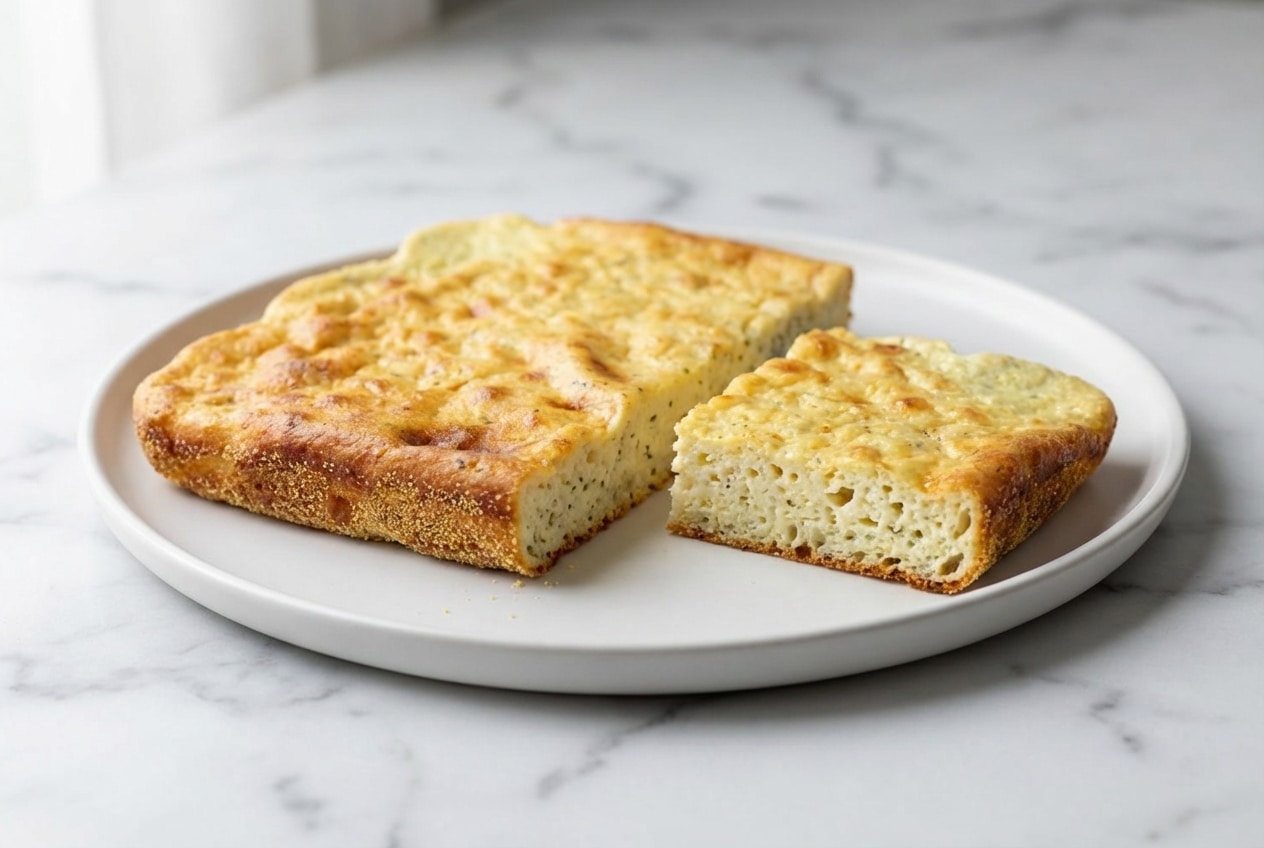
The first time I tested the viral TikTok cottage cheese wrap, I loved the macros but hated how it stuck and tore. After a few trays, I landed on a small tweak that changed everything, a crispier base and a cleaner peel.
This cottage cheese flatbread recipe is my go-to when I want a high protein, low carb wrap that still feels like real bread. It is ideal for keto-friendly eating, gluten-free meal prep, or anyone who wants a lighter sandwich without giving up that satisfying “hand-feel.”
Why You’ll Love This Recipe: The ‘Crispy Bottom’ Secret
Crispy-bottom texture: In my kitchen, dusting greased parchment with cornmeal or almond flour creates a light crunch that makes this feel more like true flatbread.
No-stick, no-tear release: Cottage cheese is naturally high in moisture, and that dusting layer acts like a barrier so the wrap lifts off the parchment paper more reliably.
High protein comfort: Between eggs and casein protein from cottage cheese, you get a flexible base that holds fillings without the heaviness of typical bread.
Meal-prep friendly: Once cooled, it stores well and reheats fast, which fits perfectly into modern US meal prep routines.
Ingredients and Substitutions

This is a short list by design, eggs for structure and cottage cheese for protein and tenderness. The optional seasonings keep the flavor savory so it eats like a wrap, not breakfast.
Ingredients
- 2 Large Whole Eggs
- 1 Cup Cottage Cheese (Full, Reduced, or Fat Free all work (look for Low Sodium))
- ¾ Teaspoon Garlic Powder (*Optional)
- 1 Teaspoon Italian Seasoning (*Optional)
- Oregano (*Optional for topping)
Ingredient Notes & Substitutions
Cottage Cheese: Full-fat bakes up slightly richer and more tender, while fat-free tends to set a bit drier and can taste more “eggy.” If you use this daily, choosing low sodium makes a noticeable difference in flavor and balance.
Eggs: Whole eggs give the best structure and flexibility for wrapping. Egg whites can work for a lighter version, but the finished flatbread is usually thinner, less pliable, and more prone to cracking.
Seasonings: The garlic powder and Italian seasoning are small, but they do a lot of work to push the flavor away from omelet territory. I also like oregano on top because it toasts in the oven and perfumes the whole sheet.
“Crispy Bottom” Dusting: Cornmeal gives a classic crunch, almond flour keeps it keto-friendly. Either one helps create separation from the parchment paper and improves the bite.
How to Make Cottage cheese flatbread recipe
Prep and Blend Until Smooth
- Heat the oven to 350F/176C so it is ready when the batter is blended.
- Add all of your ingredients into either a food processor or blender.
- Process or blend them until smooth, and keep going until you do not see curds.
Prepare the Pan and Spread
- Take out a baking sheet, line it with parchment paper, and lightly coat it with cooking spray.
- Pour your mix onto your baking sheet.
- Evenly spread it out and shape it however you want, keeping the center from getting too thin.
- Top it with a little Oregano or anything else.
Bake Until Set and Lightly Brown
- Put it into the oven on 350F/176C for around 30-35 minutes depending on how thick (more time) or thin (less time) it is.
- My “flatbread” typically takes around 50 minutes with the Small Baking Pan.
- Remove it from the oven once it starts to brown and let it cool completely.
Comparing Flatbread Techniques & Variations

Egg-Only (Keto) vs. Flour-Added (Traditional)
The viral method is essentially eggs plus cottage cheese, which bakes into a flexible, high protein sheet that behaves like a gluten-free bread substitute. If you prefer a fluffier, more traditional bread chew, the common alternative is a flour-based version using 1 cup flour plus 1 cup blended cottage cheese.
For a more classic loaf-style path, the texture lessons in this gluten-free bread guide help set expectations. It explains how structure changes when flour becomes the backbone.
Air Fryer Conversion
In an air fryer, aim for 375°F for 10–12 minutes using a parchment-lined basket. Keep the layer even, because hot spots can over-brown thinner areas before the rest fully sets.
Sodium Management for Everyday Meal Prep
If you eat cottage cheese often, sodium can add up quickly. Research suggests water rinsing can reduce sodium in certain foods. With cottage cheese, draining and a gentle rinse can help, then blot lightly so your batter does not get watery.
For anyone baking this as a gluten-free staple, nutritional considerations for a gluten-free diet are worth keeping in mind. I like pairing this wrap with fiber-rich fillings to keep meals satisfying.
Pro Tips & Troubleshooting
Pro Tips
- Let it cool completely before peeling, warm flatbread tears easily.
- Blend for at least 45–60 seconds so no curds remain, smoother batter bakes more wrap-like.
- Use high-quality parchment paper and still spray it, it is the cleanest release.
- For a pizza base, par-bake first, then add toppings and finish hotter.
That par-bake approach mirrors the method I use for cottage cheese pizza nights at home. It helps the center firm up before sauces add moisture.
Common Mistakes to Avoid
- Using wax paper instead of parchment paper, it can melt and stick.
- Spreading the batter too thin in the center, it can brown before edges set.
- Under-baking, it stays wet and floppy and will not hold fillings.
Why It Cracks, and How to Fix It
Cracking usually comes from over-baking, or from rolling when the sheet is too cold and dry. If it feels brittle, a very light mist of water can soften the surface, then rest it for a minute before wrapping.
Serving & Storage

Serving Ideas
For savory wraps, I love turkey and Swiss with a little Vidalia-style dressing, or a Mediterranean combo with hummus, cucumbers, and feta. The mild flavor also works for a chicken Caesar-style salad wrap when you want something more filling.
For sweet, almond butter and sliced bananas is my favorite, it tastes like a high protein crepe. If you like that vibe at breakfast, these cottage cheese pancakes are another great way to use the same ingredient.
Storage, Freezing, and Reheating
Store leftovers in the fridge with parchment between pieces to prevent sogginess. I find it keeps best for a few days, and the texture stays nicest when the sheets are fully cooled before stacking.
For meal prep, freeze with parchment layers, then thaw in the fridge. A quick warm-up in a skillet or air fryer brings back a better bite than the microwave.

Easy Cottage cheese flatbread recipe

Equipment
- Blender or food processor
- Baking sheet
- Parchment paper
Ingredients
- 2 Large Whole Eggs
- 1 cup Cottage Cheese Full, Reduced, or Fat Free all work (look for Low Sodium)
- 3/4 teaspoon Garlic Powder Optional
- 1 teaspoon Italian Seasoning Optional
- Oregano Optional for topping
Instructions
Prep and Blend Until Smooth
- Heat the oven to 350F/176C.
- Add all of your ingredients into either a food processor or blender.
- Process or blend until completely smooth, and keep going until you do not see curds.
Prepare the Pan and Spread
- Line a baking sheet with parchment paper and lightly coat it with cooking spray.
- Pour the mix onto the baking sheet.
- Evenly spread it out and shape it however you want, keeping the center from getting too thin.
- Top with a little oregano or anything else.
Bake Until Set and Lightly Brown
- Bake at 350F/176C for around 30–35 minutes depending on how thick (more time) or thin (less time) it is.
- Remove from the oven once it starts to brown and let it cool completely before peeling and using.
Notes
Nutrition
Conclusion
This cottage cheese flatbread recipe is the easiest way I know to get a high protein wrap with a soft, flexible center. The crispy-bottom dusting is the small detail that makes it release cleanly and eat more like real flatbread.
Once you nail the cooling step, you can season it any direction and build your favorite wraps all week. If you end up with extra cottage cheese and want a savory option, the creamy flavor profile in cottage cheese alfredo fits right into the same meal-prep mindset.
Frequently Asked Questions
How do I stop my cottage cheese flatbread from tasting like an omelet?
Blend until completely smooth, then lean on the optional spices and oregano for a more “bread-like” aroma. I also notice the crispy-bottom dusting adds a toasted note that distracts from egginess.
Is it better to use full-fat or fat-free cottage cheese?
Full-fat usually tastes richer and bakes more tender, while fat-free can set a bit drier and taste more egg-forward. Either works, but low sodium is a smart choice if you eat this often.
Can I make this recipe in an air fryer?
Yes, 375°F for 10–12 minutes in a parchment-lined basket is a reliable starting point. Keep the layer even so thin spots do not over-brown.
How long does cottage cheese flatbread last in the fridge?
It keeps well for a few days when stored with parchment layers between pieces. Cool it fully before stacking so steam does not soften the surface.
Why is my flatbread cracking when I try to wrap it?
It is usually over-baked, or rolled when it is too cold and dry. Let it come to room temp for a few minutes, and use a very light mist of water if it feels brittle.
Can I make this without a blender?
It is not recommended because curds do not break down enough by hand. When the batter is not smooth, the sheet tends to bake unevenly and can tear when you peel it.
Why does it help to eat higher-protein wraps like this?
Higher protein meals can feel more filling for many people, especially compared with refined carbs. Research on mechanisms of protein-induced satiety describes how protein can influence fullness signals.
Is this helpful for macros and fat-loss style meal prep?
It can be a practical swap when you want high protein and lower carbs. Reviews discussing strategies for fat loss and satiety often highlight protein’s role in appetite management.