Skip to content
Some mornings I want my toast to taste like sunshine, but I also want that deep, bakery warmth that makes you pause mid-bite. That is exactly where this orange butter recipe lives, bright citrus on the nose, then a toasted, nutty finish that lingers like good coffee.
It is quick enough for a weekday, but special enough for brunch guests who “just want a little taste” and somehow go back for seconds. I lean on a chef trick, browned butter, to make the flavor feel grown-up without making the method fussy.
Why You’ll Love This Recipe
Browned butter depth: In my kitchen, browning part of the unsalted butter adds a Beurre Noisette-style nuttiness that makes the orange taste even brighter, thanks to that savory edge from the Maillard reaction.
Fluffy compound butter texture: This isn’t a heavy smear, it’s a whipped compound butter that feels airy, yet still rich, when you spread it on warm bread.
Real citrus essential oils: The orange zest does the heavy lifting here, perfuming the whole bowl with citrus essential oils so it tastes fresh, not candy-like.
Brunch to dinner versatility: I’ve used this on waffles and on roasted carrots, and it somehow makes both feel a little more “restaurant” without extra work.
Decadent upgrade potential: The creamy finish is especially good on ice cream toast when you want a dessert-like breakfast at home.
Ingredients and Substitutions

You only need five ingredients, but each one matters for balance and a stable emulsion. Keep everything at room temperature so the butter whips up light and the citrus blends in smoothly.
Ingredients
- 225 grams unsalted butter softened to room temperature (2 sticks)
- 60 grams orange juice freshly squeezed (room temperature) (1/4 cup)
- 60 grams powdered sugar 1/2 cup
- 2 teaspoons finely grated orange zest or 4 teaspoons Orange Zest Purée
- 1/4 teaspoon fine sea salt
Ingredient Notes & Substitutions
Oranges: Navel orange is my first pick when I want bold zest, and Valencia is lovely when I want sweeter juice. If the peel is thin and dry, you’ll get less aroma from the zest.
Orange zest: A microplane gives you fragrant orange oils without the bitter pith. If you use Orange Zest Purée, the flavor leans more intense and marmalade-like.
Unsalted butter: In the U.S., butter quality is easier to compare by standards like unsalted butter grading, and higher quality butter tends to whip cleaner and taste sweeter.
Powdered sugar: Confectioners’ sugar dissolves fast, which keeps the texture velvety. For an “orange honey butter” vibe, honey can replace the powdered sugar, but add it slowly to protect the emulsion.
Plant-based option: A vegan version can work with firm plant-based butter sticks, but avoid tub spreads since the extra water can make the mixture look loose or broken.
How to Make orange butter recipe
Whip the butter base
- Add the softened butter to a food processor and pulse until it looks paler and feels fluffy, like it is holding little pockets of air. Pause once or twice to scrape down the bowl so everything whips evenly.
Mix the citrus and sugar until smooth
- In a small bowl, whisk the room-temperature orange juice with the powdered sugar, orange zest, and fine sea salt. Keep whisking until the mixture looks glossy and you can’t feel any sugar grit between your fingers.
Build a stable emulsion, slowly
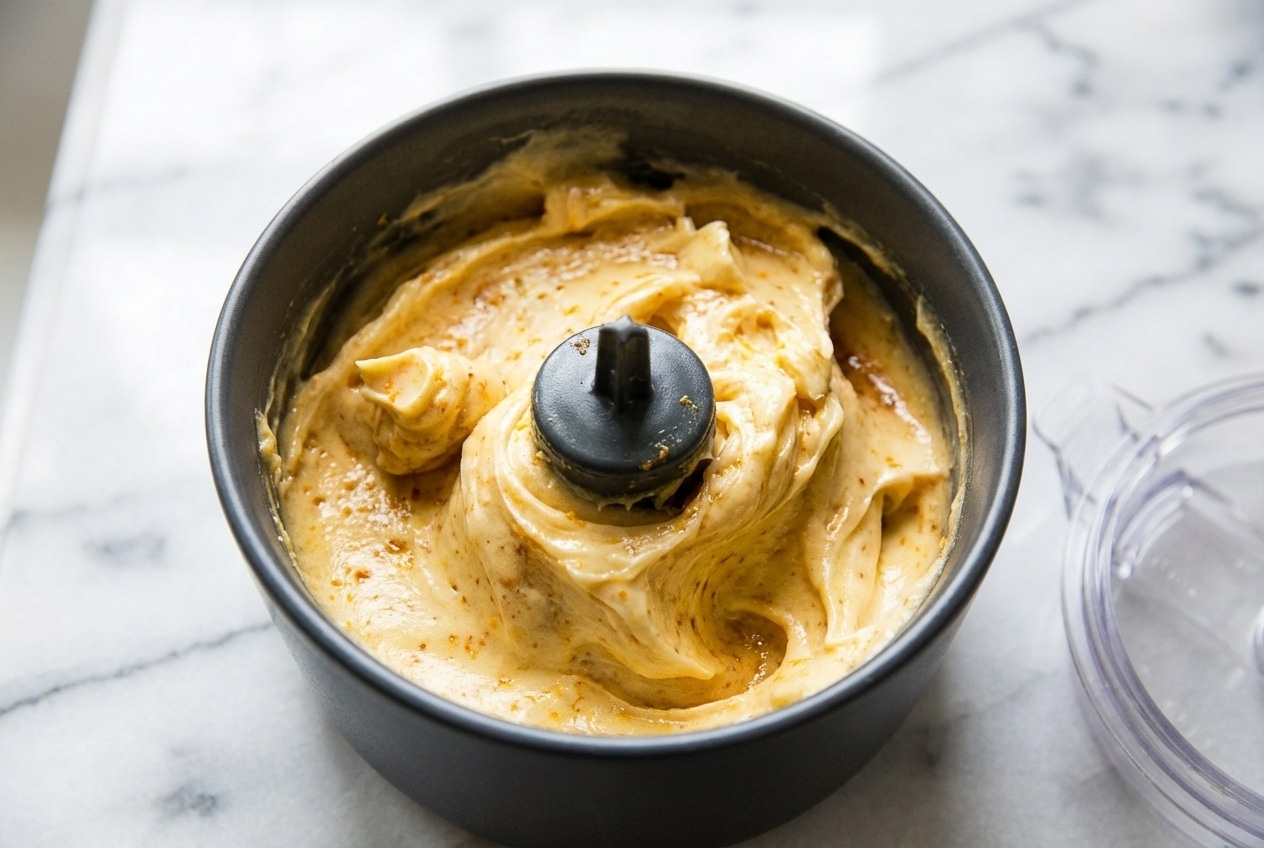
- With the food processor running, add just a tiny splash of the orange mixture, then pulse until it disappears into the butter. The goal is a smooth, unified cream, not a slick, separated look.
- Continue little by little, pulsing after each addition, and let the butter fully absorb the liquid every time. This patient pace is what keeps the emulsion stable and cloud-like.
Portion, freeze, then serve softly
- Spoon the orange butter into small portions, or press it into a mold if you want a pretty brunch moment, then freeze. When you are ready, thaw completely overnight at room temperature so it turns spreadable again.
- Serve soft so the aroma blooms, and the texture feels silky on contact with warm toast.
Secrets to Culinary Perfection

Browned butter, the nutty chef twist: If you want that toasted bakery note, brown half the butter first, then chill it until it is soft-solid again before whipping with the rest. Those golden milk solids are the flavor, and the science behind the Maillard reaction explains why it tastes like hazelnuts and warm crust.
The browned butter should feel like creamy peanut butter before it goes into the processor. If it is liquid, it will melt the mixture and you will lose that whipped lift.
Temperature syncing: Room-temperature orange juice is not a suggestion, it is insurance. Cold juice makes the fat seize, and your orange butter can turn grainy or curdled looking.
Zest rub trick: I like to rub the orange zest into the powdered sugar with my fingertips first. That little friction releases citrus essential oils, and the whole batch smells like you just peeled an orange.
Emulsion mindset: You’re making a water-in-fat spread, so the liquid must be added slowly and fully absorbed each time. The texture you want is what food science calls a cloud-like emulsion, glossy, thick, and uniform.
Pro Tips & Troubleshooting
Pro Tips
- Use a microplane and stop as soon as you hit white pith, the bitterness shows up fast.
- Pulse the zest with the powdered sugar first if you want maximum orange perfume.
- Add a splash of Grand Marnier or Cointreau during the final pulses for a grown-up finish.
- A pinch of cardamom or cinnamon turns it into a warm “spiced orange” butter for fall brunch.
- Another fun pantry companion is hot honey, especially when you like sweet heat with biscuits.
Common Mistakes to Avoid
- Using bottled orange juice, the flavor tastes flat and the acidity is dulled.
- Pouring the juice mixture in too quickly, the emulsion can split and look curdled.
- Over-processing after everything is combined, the motor heat can start melting the butter.
- Using low-fat spreads or margarine, the water content fights the whipped texture.
Serving & Storage

Serving Ideas
The classic move is a thick swipe on crepes, scones, or waffles, right when they are still warm enough to melt the edges. It also makes a surprisingly elegant finish on roasted carrots or sweet potatoes, especially with flaky salt.
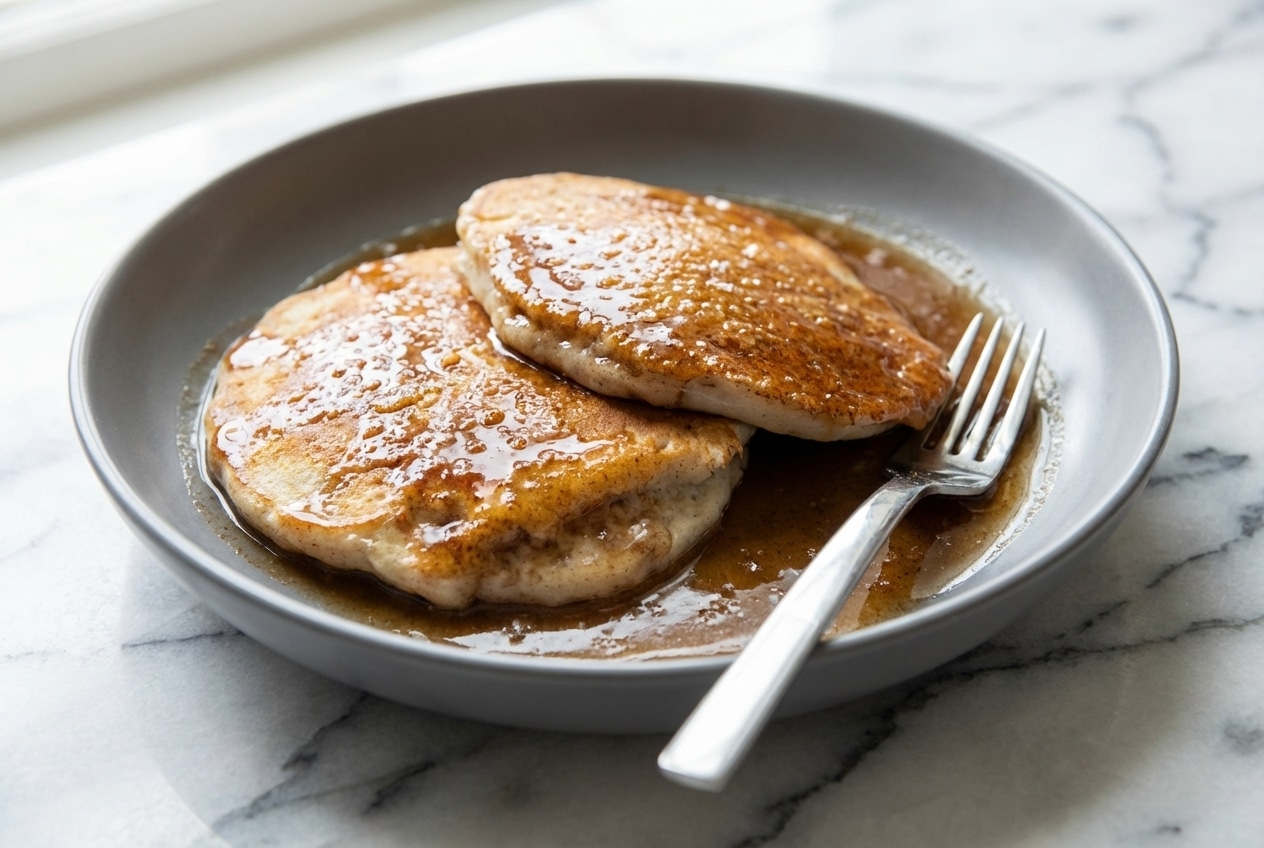
For a cozy, protein-forward brunch, this orange butter is gorgeous on cottage cheese pancakes, since the tangy batter loves the citrus.
If you want a restaurant look with zero effort, pack it into a hollowed orange half and chill it until firm. When you set it on the table, it smells like you meant to do that all along.
Storage & Make-Ahead
Because this recipe uses fresh juice, treat it like a perishable spread and refrigerate it promptly in a tight container. Food-safety guides often cite 2 weeks in an airtight container as a reasonable window for similar refrigerated foods.
For longer storage, freeze portions for up to 2 months, then thaw completely overnight at room temperature as written. Once thawed, give it a quick stir or brief pulse if it needs its fluffiness refreshed.

Bright And Nutty Orange Butter Recipe

Equipment
- Food Processor
- Small whisk
- Microplane
Ingredients
- 225 grams unsalted butter softened to room temperature (2 sticks)
- 60 grams orange juice freshly squeezed (room temperature) (1/4 cup)
- 60 grams powdered sugar 1/2 cup
- 2 teaspoons finely grated orange zest or 4 teaspoons Orange Zest Purée
- 1/4 teaspoon fine sea salt
Instructions
Whip the butter base
- Add the softened butter to a food processor and pulse until it looks paler and feels fluffy, like it is holding little pockets of air. Pause once or twice to scrape down the bowl so everything whips evenly.
Mix the citrus and sugar until smooth
- In a small bowl, whisk the room-temperature orange juice with the powdered sugar, orange zest, and fine sea salt. Keep whisking until the mixture looks glossy and you cannot feel any sugar grit between your fingers.
Build a stable emulsion, slowly
- With the food processor running, add just a tiny splash of the orange mixture, then pulse until it disappears into the butter. The goal is a smooth, unified cream, not a slick, separated look.
- Continue little by little, pulsing after each addition, and let the butter fully absorb the liquid every time. This patient pace is what keeps the emulsion stable and cloud-like.
Portion, freeze, then serve softly
- Spoon the orange butter into small portions, or press it into a mold if you want a pretty brunch moment, then freeze. When you are ready, thaw completely overnight at room temperature so it turns spreadable again.
- Serve soft so the aroma blooms, and the texture feels silky on contact with warm toast.
Notes
Nutrition
Conclusion
This orange butter recipe is all about contrast, bright citrus zest against a rich buttery base, and even deeper if you lean into the browned butter twist. Once you taste that nutty finish, you start seeing places to use it everywhere, from brunch breads to roasted vegetables.
Keep the juice warm, add it slowly, and then play with tiny variations like honey or spice. Your kitchen will smell like fresh oranges and a good bakery at the same time.
Frequently Asked Questions
How do I fix orange butter that has separated?
Let it sit at room temperature for 15 minutes so the fat softens evenly, then whisk hard or pulse again. If it still looks broken, add a small tablespoon of extra softened butter and pulse until the emulsion comes back together.
How long can I store orange butter?
Store it in an airtight container in the refrigerator for up to 2 weeks because it contains fresh orange juice. For longer keeping, freeze it for up to 2 months and thaw completely overnight at room temperature before serving soft.
Which oranges are best for this recipe?
Navel oranges are excellent when you want lots of aromatic zest, and Valencia oranges shine for sweet, juicy flavor. If you can, choose fruit that feels heavy for its size and smells fragrant at the stem.
Should I use salted or unsalted butter?
Unsalted butter gives you clean control over seasoning, especially with fine sea salt. If salted butter is all you have, keep the salt light so the citrus stays front and center.
Can I use an electric hand mixer instead of a food processor?
Yes, it works well as long as you add the orange mixture very slowly. Beat until fluffy first, then drizzle in the liquid in tiny additions so it doesn’t splash or split.