Skip to content
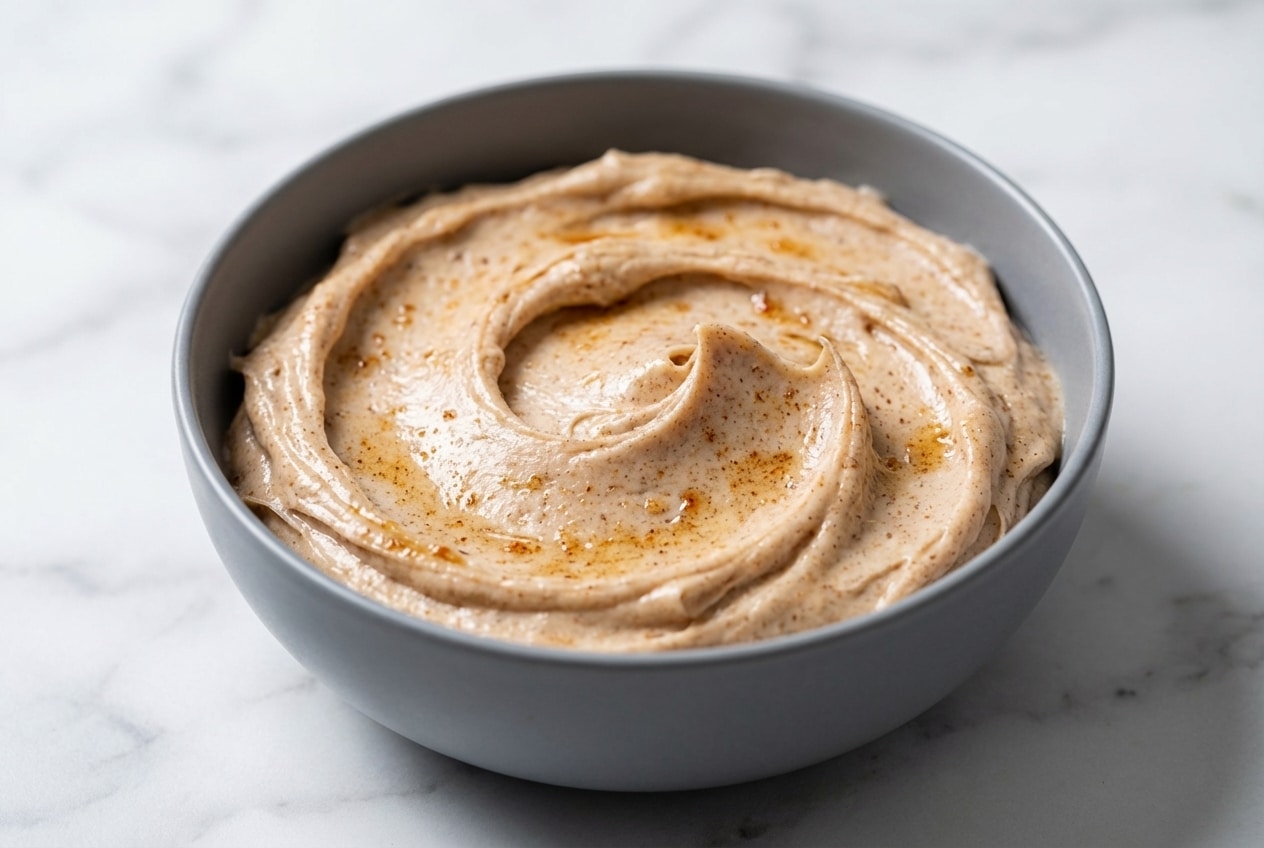
Every year when the weather turns crisp, my kitchen starts to smell like cinnamon before I’ve even decided what I’m baking. That cozy, bakery-sweet perfume is exactly why I keep this cinnamon buttercream in my back pocket, it makes even simple cupcakes feel like a celebration.
This version is my “grown-up” take on classic American Buttercream, still fluffy and pipeable, but with a deeper flavor that doesn’t scream sugar. The brown butter note gives it warmth and a toasty finish that plays beautifully with cinnamon, especially on carrot cake, pumpkin bakes, and anything apple.
Why You’ll Love This Recipe
Brown butter magic: I started browning part of the butter after one too many overly-sweet frostings, and the nutty, toasted depth instantly made the cinnamon taste richer and more complex.
Silky, not gritty: With the right aeration and a final smoothing mix, you get a cloud-soft frosting that melts on the tongue instead of feeling sandy from Confectioners’ sugar.
Bakery-worthy structure: Using the paddle attachment and the exact whipping window, this cinnamon buttercream holds stiff peaks and pipes clean swirls without collapsing.
Ingredients and Substitutions

These are pantry-simple ingredients, but each one matters. The butter builds the body, cinnamon carries the aroma, and a splash of cream gives you control over the final texture.
Ingredients
- 1 cup unsalted butter softened
- 1 ½ teaspoon ground cinnamon
- 1 teaspoon vanilla extract
- 4 cups powdered sugar sifted, if needed
- 2 to 4 tablespoon heavy cream or milk
Ingredient Notes & Substitutions
Unsalted butter: I like unsalted so the cinnamon stays front and center, and you can fine-tune the flavor. If you only have salted butter, it still works, just skip adding any extra salt elsewhere.
Room temperature butter: “Softened” should mean it holds a thumbprint but still feels a little cool. If it feels shiny or greasy, your buttercream can turn loose and slumpy.
Ground cinnamon: Cassia Cinnamon gives a bold, classic “cinnamon roll” punch, and Ceylon Cinnamon is softer and more floral. When I want that warm, spicy edge for holiday cupcakes, I reach for cassia.
Vanilla extract: Vanilla rounds the spice and makes the frosting taste finished. Vanilla bean paste also works if you like those tiny specks, but it can slightly deepen the color.
Heavy cream or milk: Heavy whipping cream makes a plusher, more stable frosting, and milk keeps it a touch lighter. Either way, add it slowly so you can stop exactly when the texture feels right.
How to Make cinnamon buttercream
Whip the butter until it’s pale
- Add the softened butter to your mixer bowl and use the paddle attachment. Beat for a couple of minutes until it looks creamy, smooth, and slightly lighter in color, with no dense streaks clinging to the bowl.
- Pause and scrape down the bowl, then beat briefly again so the butter is uniform. You’re building aeration now, which is what keeps American Buttercream from feeling heavy.
Bloom the cinnamon and vanilla
Add the vanilla extract and ground cinnamon, then mix until the color looks even and the aroma jumps out of the bowl. You should smell warm spice immediately, not a raw, dusty note.
Add sugar and adjust the texture
- Add the powdered sugar along with 2 tablespoons cream or milk. Start on low speed so the sugar doesn’t puff into a cloud, and mix until the frosting looks thick and no dry pockets remain.
- Gradually increase the speed, then whip on high for 3 to 5 minutes until fluffy and expanded. If it feels too stiff to spread, add a little more cream or milk, stopping as soon as it turns silky.
Smooth it for a bakery finish
Turn the mixer down to low speed and let it run for an additional 2 minutes. This step knocks out large air bubbles, giving you a smoother finish for a clean crumb coat and sharper piping.
Secrets for a Flawless Frosting

My favorite “secret” here is treating cinnamon buttercream like a technique, not just a stir-and-go. The butter’s temperature decides everything, too warm and it turns slack, too cold and it looks dense and stubborn.
For consistent sweetness and texture, I prefer weighing the sugar when I can. A quick reference like this professional standard helps you avoid the “one cup is not always one cup” problem.
Finally, think about your piping setup. Cinnamon adds the faintest texture, so larger tips like 1M or 2D give you bold, clean ridges instead of frustrating clogs.
Pro Tips & Troubleshooting
Pro Tips
- Use a “sugar shield” by draping a clean towel over the mixer when the powdered sugar first goes in, it keeps your counters from wearing a white coat.
- Give the butter a full couple of minutes of whipping before any sugar, that aeration is what makes the frosting feel lighter and look less yellow.
- The “windowpane” feel matters, rub a tiny bit between two fingers and it should feel smooth, not gritty, while still holding stiff peaks on a spatula.
- A thin drizzle of hot honey amplifies cinnamon’s spicy warmth beautifully. I like it especially on pumpkin cupcakes, where sweet heat makes the frosting taste even richer.
Common Mistakes to Avoid
- Butter that’s melted or greasy will make the buttercream loose and a bit oily, it should be soft but cool to the touch.
- Skipping sifting can leave stubborn lumps from the sugar’s cornstarch, and they won’t disappear no matter how long you whip.
- Whipping hard at the very end can trap big air pockets, which show up as a “Swiss cheese” look when you try to smooth the sides.
- Using low-quality cinnamon can taste dusty, a fresher spice gives a cleaner, sweeter finish.
Serving & Storage

Serving Ideas
This frosting is pure comfort on pumpkin spice cupcakes, apple cake, and carrot cake. I also love it as a filling for snickerdoodle sandwich cookies, it tastes like the center of a cinnamon bun.
It’s surprisingly fun on brunch desserts too, a small swipe over protein pancakes turns them into a cozy weekend treat. Keep the portion modest, because it’s rich, and a little goes a long way.
For an extra-indulgent plate, a spoonful alongside ice cream toast feels like a diner dessert at home. The cinnamon perfume hits the moment it warms against the toast.
If you’re building a layered dessert, this buttercream makes a gorgeous spiced stripe in a brownie trifle. That brown-butter warmth plays especially well with chocolate and berries.
Storage & Make-Ahead
In a cool kitchen, frosted cupcakes or cakes can usually sit out for up to 2 days. If your space runs warm, I refrigerate to keep the structure firm, then let it soften a bit before serving.
This cinnamon buttercream freezes well for up to 3 months in an airtight bag. Thaw it overnight in the fridge, then re-whip until it looks fluffy again, and add a tiny splash of cream only if it needs loosening.

Silky Cinnamon Buttercream

Equipment
- Stand mixer
- Paddle attachment
- Spatula
Ingredients
- 1 cup unsalted butter softened
- 1.5 teaspoon ground cinnamon
- 1 teaspoon vanilla extract
- 4 cups powdered sugar sifted, if needed
- 2-4 tablespoon heavy cream or milk
Instructions
Whip the butter until it is pale
- Add the softened butter to your mixer bowl and use the paddle attachment. Beat for a couple of minutes until it looks creamy, smooth, and slightly lighter in color, with no dense streaks clinging to the bowl.
- Pause and scrape down the bowl, then beat briefly again so the butter is uniform. This builds the aeration needed to keep the buttercream from feeling heavy.
Bloom the cinnamon and vanilla
- Add the vanilla extract and ground cinnamon, then mix until the color looks even and the aroma is warm and fragrant.
Add sugar and adjust the texture
- Add the powdered sugar along with 2 tablespoons of cream or milk. Start the mixer on low speed so the sugar does not puff into a cloud, and mix until the frosting looks thick and no dry pockets remain.
- Gradually increase the speed and whip on high for 3 to 5 minutes until fluffy and expanded. If it feels too stiff to spread, add a little more cream or milk, stopping as soon as the texture turns silky.
Smooth it for a bakery finish
- Turn the mixer down to low speed and let it run for an additional 2 minutes. This step knocks out large air bubbles, giving you a smoother finish for clean piping and crumb coating.
Notes
Nutrition
Conclusion
When cinnamon buttercream is done right, it’s not just sweet, it’s silky, warm, and fragrant. That toasted brown-butter note is the quiet little trick that makes people pause mid-bite and ask what you did differently.
Once you’ve made it once, you’ll start playing, a touch more cream for softer swoops, a bolder cinnamon for spice lovers, or a honeyed twist for fall. It’s the kind of frosting that makes even a simple bake feel like home.
Frequently Asked Questions
How do I prevent the cinnamon from making my frosting look “dirty”?
Whip the butter until pale before adding the cinnamon, and use a finely ground, fresh spice. When the cinnamon is evenly dispersed into well-aerated butter, the color reads warm and golden instead of speckled.
Can I use cinnamon oil instead of ground cinnamon?
Yes, but go extremely lightly, it’s much more concentrated than ground cinnamon. Start with just a few drops, then taste and adjust so it doesn’t overpower the vanilla.
Why did my buttercream turn out runny?
The most common cause is butter that was too soft or a very warm kitchen. Chill the bowl for about 15 minutes, then re-whip to bring back structure and volume.
How long can frosted cupcakes sit at room temperature?
In a cool environment, about 2 days is typical for a butter-based frosting. If your kitchen is warm or sunny, refrigeration is safer for keeping the buttercream from slumping.
Is it better to use a paddle or a whisk attachment for this frosting?
I prefer the paddle attachment for American Buttercream because it gives a smoother look with fewer large air pockets. The whisk can make it extra airy, but it’s also easier to trap bubbles that show when you smooth the cake.