Skip to content
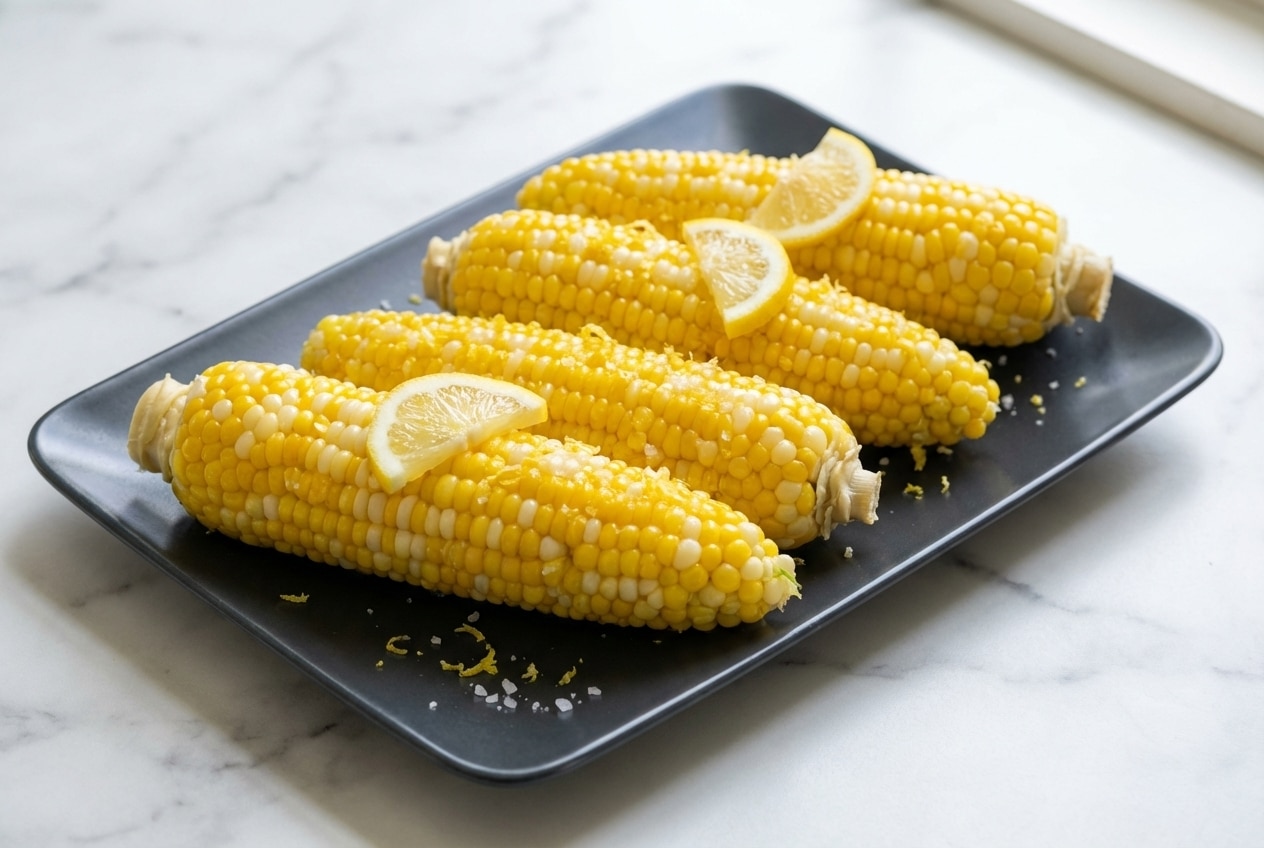
There are a few sounds that feel like summer in the U.S., kids running through sprinklers, a screen door snapping shut, and that first bite of sweet corn where the kernels pop and drip down your wrist. I’ve cooked a lot of corn over the years, and I’ve learned that how to cook corn on the cob isn’t about fancy tricks, it’s about treating those kernels gently so they stay crisp and sweet.
Boiling seems foolproof, until it turns tough or oddly mushy. This method uses a small, science-backed twist and a “passive soak” that gives you that backyard barbecue corn every single time.
Why You’ll Love This Recipe
The lemon-water secret: In my kitchen, the Lemon-Acidulated Water Hack is the little move that makes sweet corn taste restaurant-clean and bright, without turning it sour.
Crisp kernels, not mush: A touch of acidity helps keep the pectin in the cell walls firm, so the kernels stay snappy and juicy instead of collapsing into softness.
That marigold color: The lemon also helps stabilize the corn’s natural pigments, keeping the maize looking vivid and glossy, the kind of yellow you want on a platter.
Passive cooking you can trust: Once the stockpot is off the heat, the corn cooks in calm, steady hot water, which means no rubbery bite and no overcooking panic.
Ingredients and Substitutions

This is a three-ingredient kind of win. Water does the heavy lifting, sweet corn brings the sugar, and butter with sea salt finishes the kernels with that classic summer shine.
Ingredients
- 4 quarts water
- 4 large ears sweet corn, shucked
- Optional: Butter and sea salt
Ingredient Notes & Substitutions
Sweet corn: The freshest ears have bright green husks, plump rows of kernels, and corn silk that’s golden and slightly tacky, not dry or dark. I keep the husk on and refrigerate until the last minute, because sugar-to-starch conversion starts the second it’s picked.
Lemon juice twist: This method relies on one tablespoon of lemon juice in the water to protect texture and color. If you are out of lemons, a teaspoon of white vinegar can pinch-hit, it brings a similar gentle acidity.
Sea salt: I like flaky sea salt at the table because it crunches and dissolves slowly on hot butter. Regular table salt works too, but add it after cooking so the kernels stay tender.
How to Make how to cook corn on the cob
Bring the water to a rolling boil
Fill a large stockpot with the 4 quarts water and bring it to a full rolling boil, the kind where the surface is actively churning and steaming hard. This strong boil is your signal the water has enough stored heat to cook the corn evenly once the pot comes off the burner.
Cook with the passive soak
- Carefully lower in the 4 large ears sweet corn, shucked, and let the water surge back up around them. You should smell that clean, green corn aroma almost immediately.
- Clamp on a tight-fitting lid, then remove the pot from the heat right away. This is the gentle part, the corn cooks in the trapped heat, not in aggressive bubbling.
Time it, drain, and serve
- Let the corn sit in the hot water for exactly 10 minutes, the kernels will look plumper and feel more “springy” when pressed with a fingernail.
- Lift the ears out with tongs, let excess water drip off, and serve while they’re piping hot. Finish with Optional: Butter and sea salt if you like that classic glossy, salty bite.
Secrets for Perfectly Crisp Sweet Corn

The sweetest corn is a race against time. The moment an ear is picked, its sugars begin the sugar-to-starch conversion, so keeping it cold is not fussy, it’s the difference between candy-sweet kernels and starchy ones.
I leave the corn in the fridge until my water is already at a rolling boil. If corn sits warm on the counter, the kernels lose that fresh snap before they ever hit the pot.
Temperature control is the other half of the magic. When corn boils hard on active high heat for too long, the outside can toughen and the sweetness gets muddled, but the passive soak cooks the kernels through without that stress.
That little splash of lemon juice is also doing quiet work for your eyes. It helps stabilize the pigments that give sweet corn its sunny yellow, so the ears come out looking bright and dinner-party pretty.
Pro Tips & Troubleshooting
Pro Tips
- Cold corn cooks sweeter, so keep it refrigerated until the stockpot is ready.
- Stubborn corn silk comes off easily with a rubber glove under cold water.
- A soft-bristled brush also grabs silk threads without shredding kernels.
- If dinner gets delayed, leave corn soaking 10 minutes longer, it stays tender.
- When selecting ears, look for bright green husks and tacky, golden tassels at the store. That’s a reliable sign you’re close to peak sweetness and juiciness.
Common Mistakes to Avoid
- Salting the Water: Salting the boiling water can toughen kernels, so save salt for the table where it lands on butter and melts in.
- Buying Warm Corn: Ears sitting in the sun get starchy fast, heat speeds up sugar-to-starch conversion.
- Overcooking on active heat: Leaving the pot boiling hard too long can make kernels chewy and the outside a little gummy.
- Loose lid: A lid that doesn’t seal well lets heat escape, and the corn can cook unevenly.
Serving & Storage

Serving Ideas
If you want old-school comfort, the Southern butter bath is pure magic, add 1 cup of milk and 1 stick of butter to the water before the corn goes in. It’s extra rich, like corn that’s already been dressed for the party.
For Mexican street corn, elote-style, I go with mayo or sour cream, lime, cotija, and chili powder, that creamy, tangy heat loves sweet kernels. A cool side like cucumber salad keeps the plate crisp and refreshing.
Compound butter is where you can play. Garlic-parmesan, smoked paprika, or even a spicy-sweet swirl made with hot honey tastes incredible on a hot ear right off the tongs.
If you’re building a full backyard spread, red cabbage slaw adds crunch and color next to buttery corn. It also holds up well on a picnic table when everything else starts to wilt.
Storage & Reheating
Store leftover corn covered in the refrigerator, and aim to eat it within 3 to 4 days. I prefer leaving ears whole, the kernels stay juicier that way.
For reheating, wrap an ear in a damp paper towel and microwave in short bursts until hot. That little bit of moisture keeps the kernels from turning rubbery.
Leftovers are gold in a different form, shave the kernels off the cob and toss into summer salsa, fold into chowder, or scatter over salads for sweet crunch.

How To Cook Corn On The Cob

Equipment
- Large stockpot
- Tongs
- Tight-fitting lid
Ingredients
- 4 quarts water
- 4 large ears sweet corn, shucked
- Optional: Butter and sea salt
Instructions
Bring the water to a rolling boil
- Fill a large stockpot with 4 quarts of water and bring it to a full rolling boil until the surface is actively churning and steaming.
Cook with the passive soak
- Carefully lower the shucked ears of sweet corn into the boiling water and let the water surge back up around them.
- Immediately place a tight-fitting lid on the pot and remove the entire pot from the heat source.
Time it, drain, and serve
- Allow the corn to sit undisturbed in the hot water for exactly 10 minutes until the kernels appear plump and feel springy.
- Use tongs to lift the ears out of the water, allowing any excess moisture to drip off, and serve immediately with optional butter and sea salt.
Notes
Nutrition
Conclusion
When you combine the Lemon-Acidulated Water Hack with the passive soak, corn comes out sweet, crisp, and beautifully yellow, without the usual boiling drama. Keep the ears cold, respect the 10 minutes, and you’ll get that juicy pop that tastes like peak summer.
Once you’ve done it this way, you can dress it up any direction, butter and sea salt, elote, or a compound butter that fits your mood.
Frequently Asked Questions
How long do you boil corn on the cob for it to be tender?
With this method, you do not actively boil it for the whole time. You bring the water to a rolling boil, add the corn, cover, remove from heat, then let it sit for exactly 10 minutes to turn tender and juicy.
Do you put corn in before or after the water boils?
After. Wait for a full rolling boil so the water has enough heat stored up, then add the shucked corn, cover, and remove from heat for the 10-minute soak.
Why is my corn on the cob tough after boiling?
The most common cause is overcooking on active high heat, which can toughen the outside of the kernels. Another culprit is older corn that has already gone starchy from sugar-to-starch conversion.
Should you peel corn before boiling?
For this passive-soak method, yes, shuck it first so the hot water can contact the kernels evenly. It also helps you control timing and texture more precisely.
How do you keep boiled corn warm for a crowd?
Leave the corn in the covered pot of hot water for an extra 10 minutes off-heat. The passive heat keeps it warm without pushing the kernels into that overcooked, rubbery zone.
Can you boil corn that has already been shucked for days?
You can cook it, but it may taste less sweet because sugars convert to starch over time. If it’s been refrigerated and still smells fresh, this gentle method will protect texture, but it cannot bring back that just-picked sweetness.
What goes well with corn on the cob?
Corn loves anything grilled or crispy, and a light fish is especially nice in summer. Something like parmesan cod balances buttery corn with a savory, crunchy bite.