Skip to content
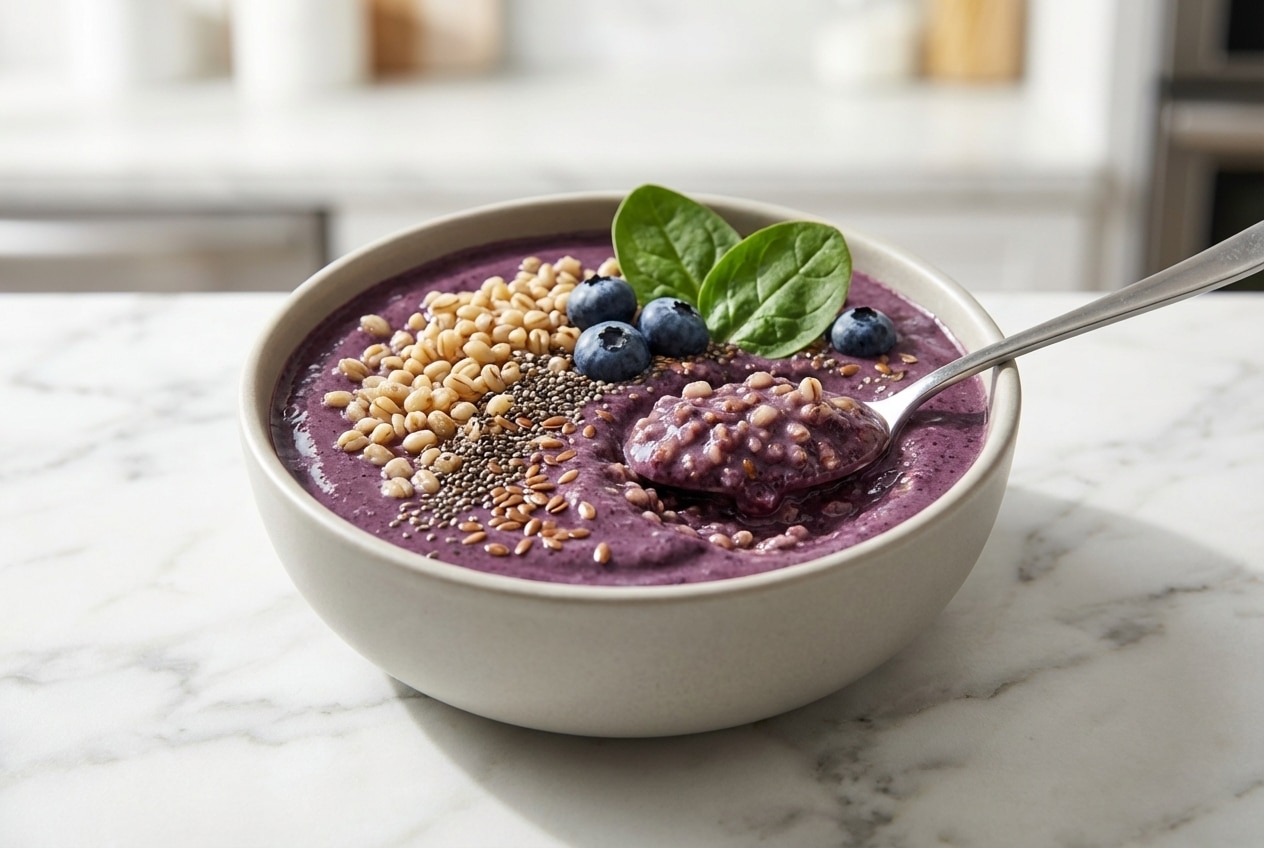
The first time I tested a fibermaxxing smoothie at home, I loved the idea, but not the “sand in the blender” texture that sometimes comes with high Dietary fiber drinks. After a few rounds in my kitchen, I landed on a simple fix that makes it taste like something you would actually crave.
This fibermaxxing smoothie is a high-potency, nutrient-dense blend meant to help you hit daily fiber goals (25 to 38g) efficiently. The point is not just adding bulk, it is making a high-fiber drink that feels smooth, satisfying, and easy to keep in your routine.
Why You’ll Love This Recipe: The ‘Hydrated Grain’ Method
Silky, not gritty: Soaking the Ancient grains in juice first softens the bran, so the finished smoothie blends up creamy instead of sandy.
Better nutrient availability: In my kitchen tests, a short soak noticeably mellowed the raw grain edge, and it also helps reduce phytic acid so minerals are more bioavailable.
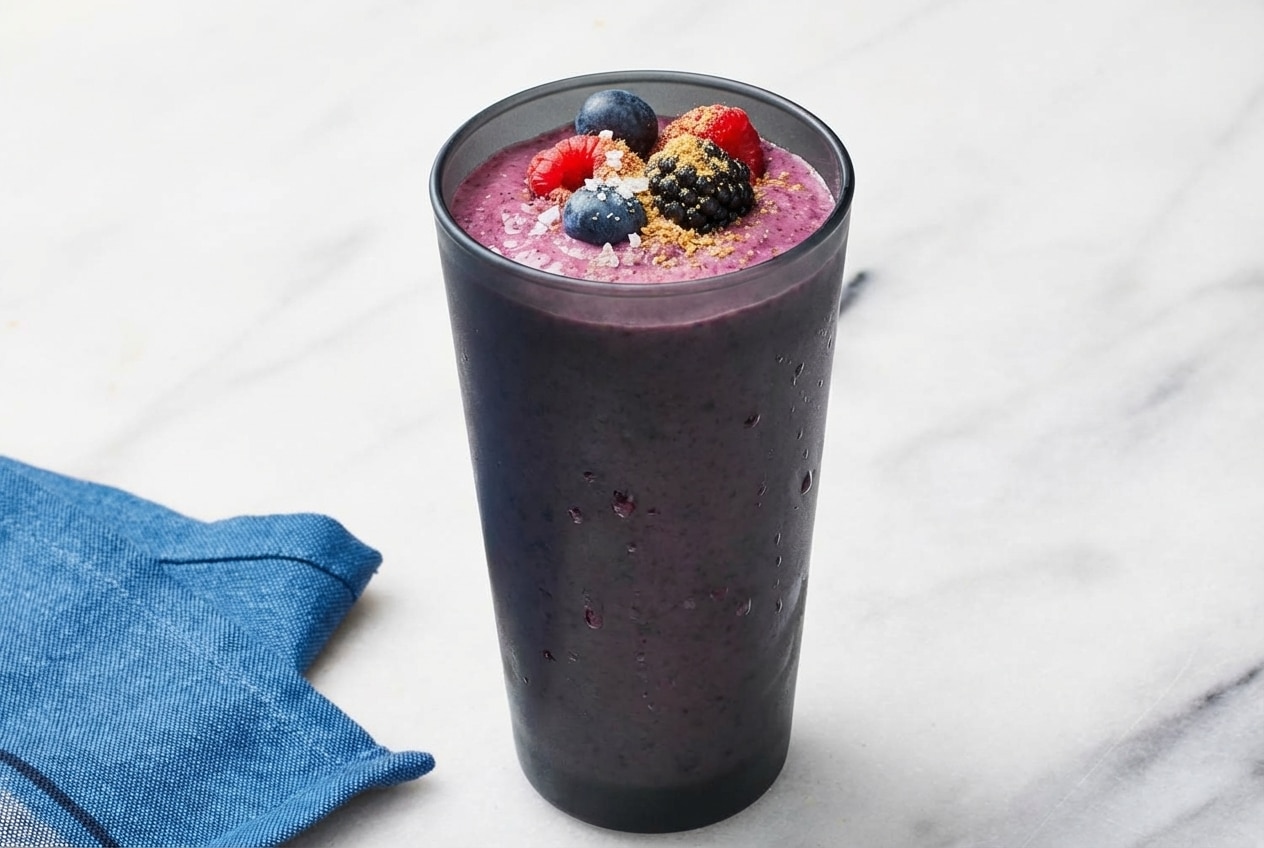
Thick, frosty, and filling: With Wild blueberries and a smart fiber boost, the texture turns into a plush purple puree that feels like a smoothie shop drink, not a “health chore.”
Ingredients and Substitutions

This recipe uses fruit for sweetness, greens for balance, and a juice plus grains base for that signature high-fiber body, without sacrificing drinkability.
Ingredients
- wild blueberries
- peanut butter
- dates
- bananas
- almonds
- organic spinach
- apple-blueberry juice blend
- gluten-free ancient grains
- added fiber
- plant-based stevia
Ingredient Notes & Substitutions
Wild blueberries: I prefer wild blueberries because they tend to bring a deeper berry flavor, plus a nice antioxidant bump compared with many cultivated berries. Frozen wild blueberries also make the blend thicker and colder without needing ice.
Gluten-free ancient grains: A blend of rolled oats, quinoa flakes, or amaranth works well here because they soften quickly and blend smoothly. If your grains are more coarse, the soak becomes even more important for a creamy finish.
Added fiber: Psyllium husk boosts Soluble fiber and thickens fast, so start modestly if you are new to higher fiber. Acacia fiber is lighter and nearly flavorless, so the smoothie stays more sippable.
Peanut butter: Sunflower seed butter is the easiest nut-free swap while keeping the same rich mouthfeel. For a lower-fat approach, PB2 can replace peanut butter, but the smoothie will taste a bit less rounded.
Plant-based stevia: I add this at the end so I can stop the moment it tastes balanced. Dates and ripe bananas already carry a lot of sweetness, so you may need less than you expect.
How to Make fibermaxxing smoothie
Prep the base
- Gather a nutrient-rich blend of wild blueberries, peanut butter, dates, bananas, almonds, and organic spinach, so everything is ready to blend without delays.
- Combine ingredients with an apple-blueberry juice blend to create the main liquid base and help the blender catch quickly.
Add the fiber builders
Add gluten-free ancient grains and supplemental added fiber to reach the functional goal of 16 grams of fiber.
Sweeten and blend until silky
- Lightly sweeten with plant-based stevia, adjusting to your preference.
- Blend until the mixture reaches a smooth consistency, watching it shift from chunky to thick, earthy, creamy, and deeply purple.
Mastering the Science of Fibermaxxing

Soluble vs. Insoluble Fiber: Why Both Matter
Soluble fiber helps form a gel-like texture, which is why psyllium husk and oat-based Ancient grains can make a smoothie feel thicker and more filling. This is also the type often associated with supporting steadier digestion.
Insoluble fiber adds structure and “broom effect” bulk, and you will get that from ingredients like organic spinach and fruit skins. The real win of a fibermaxxing smoothie is combining both types for a balanced gut-friendly blend.
The Essential Role of Hydration
When you increase Dietary fiber, water matters just as much as ingredients. Without enough fluids, fiber can feel heavy and uncomfortable, which is why I always pair high-fiber days with extra water.
A refreshing routine helps you stay consistent, and the 10 to 15 word hydration reminder I use is simple: This lemon water recipe makes hydration easier on busy mornings.
DIY Ancient Grain Ratio
If you want a reliable at-home blend that tastes neutral and blends smoothly, use this ratio: 2 parts oats, 1 part quinoa flakes, 1 part amaranth. It is a practical balance of creaminess, plant protein, and fiber.
Choosing Your Fiber Boost: Psyllium vs. Acacia
Psyllium husk is the choice when you want thickness, satiety, and that spoonable Smoothie King-style body. It thickens quickly, so it is best blended and served right away.
Acacia fiber is better when you want a lighter mouthfeel and minimal flavor impact. If you are sensitive to texture changes, acacia is often the gentler entry point.
Pro Tips & Troubleshooting

Pro Tips
- Build up slowly, the tolerance rule matters when you jump to higher fiber.
- Frozen wild blueberries create a thicker, frosty texture with no dilution.
- A smoother, creamier base is easier with homemade almond milk when you want more control.
- If you are chasing a “smoothie shop” profile, blend longer than you think you need, the last 15 seconds usually makes it silkier.
Common Mistakes to Avoid
- Skipping the soak can leave ancient grains gritty, especially with coarser blends.
- Increasing fiber too drastically in one day may cause bloating or cramping.
- Forgetting extra water with added fiber can make digestion feel sluggish.
- High-sugar juice blends can spike sweetness and throw off balance.
- If this feels too dense, rotating with a lighter green smoothie recipe can keep your routine enjoyable.
Serving & Storage
Serving Ideas
I like serving this in a chilled glass to keep the texture thick and creamy. A sprinkle of hemp hearts or a few extra wild blueberries on top adds a nice finish without changing the flavor much.
For a more complete grab-and-go breakfast, the pairing is especially satisfying. The oatmeal protein balls complement the smoothie’s nutty, berry notes well.
Storage & Meal Prep
This smoothie is best right after blending, especially if your added fiber is psyllium, since it thickens as it sits. If you want to prep ahead, blend everything except the added fiber, refrigerate, then blend the fiber in right before drinking.

Easy fibermaxxing smoothie

Equipment
- blender
Ingredients
- wild blueberries
- peanut butter
- dates
- bananas
- almonds
- organic spinach
- apple-blueberry juice blend
- gluten-free ancient grains
- added fiber
- plant-based stevia
Instructions
Prep the base
- Gather a nutrient-rich blend of wild blueberries, peanut butter, dates, bananas, almonds, and organic spinach so everything is ready to blend without delays.
- Combine the ingredients with an apple-blueberry juice blend to create the main liquid base and help the blender catch quickly.
Add the fiber builders
- Add gluten-free ancient grains and supplemental added fiber to reach the functional goal of 16 grams of fiber.
Sweeten and blend until silky
- Lightly sweeten with plant-based stevia, adjusting to your preference.
- Blend until the mixture reaches a smooth consistency, watching it shift from chunky to thick, earthy, creamy, and deeply purple.
Notes
Nutrition
Conclusion
This fibermaxxing smoothie is my favorite way to get a big fiber boost with a texture that still feels like a treat. The hydrated grain approach makes it smoother, more digestible, and more consistent, which helps you stick with it long enough to support the gut-brain axis over time.
If you are new to higher fiber, start smaller, then build up gradually as your body adapts. Once you have the base down, tiny tweaks in grains or fiber type let you dial in thickness and flavor.
Frequently Asked Questions
What exactly is the ‘Fibermaxxing’ trend?
Fibermaxxing is a wellness trend focused on intentionally increasing daily fiber intake to meet or exceed the recommended 25 to 38 grams per day to support gut health and digestion.
Is 16 grams of fiber in one smoothie too much?
For most people, it can be a helpful boost that covers about half the day’s needs. If your current diet is low in fiber, start with a smaller serving and increase gradually to reduce gas or bloating.
What can I use as ‘added fiber’ in my homemade version?
Common choices include psyllium husk powder or acacia fiber, and psyllium will make the smoothie thicker while acacia stays lighter. If you have extra dates left over, they can also become a naturally sweet date caramel sauce for other breakfasts.
Which ancient grains work best for blending?
Rolled oats and quinoa flakes are the easiest options for a smooth texture, and amaranth works well in small amounts for extra nutrition. If your grains are coarse, soaking them in the juice first helps prevent a sandy finish.