Skip to content
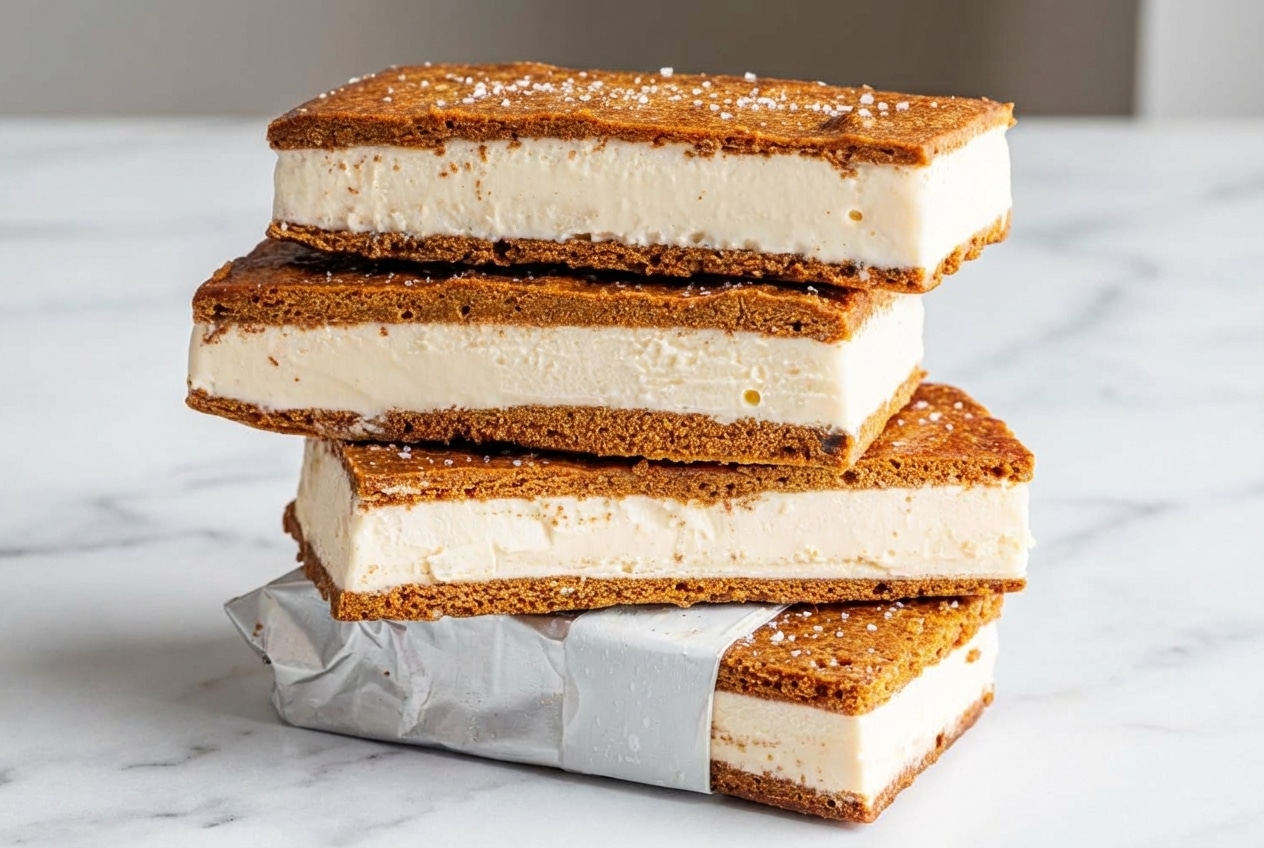
It takes me right back to a sticky American summer, bare feet on warm pavement, chasing the ice cream truck jingle before it fades around the corner. That first bite of a classic ice cream sandwiches was always the same, soft chocolate wafer, cold vanilla center, no drama.
Homemade versions, though, love to misbehave, either they freeze into rock-hard bricks or they turn into a squishy mess the moment you bite. This method fixes the “Bite-Yield” problem for good, so the wafer stays chewy when frozen and the ice cream stays put.
Why You’ll Love This Recipe
Malted soda shop nostalgia: A little malted milk powder (my favorite twist) gives that old-school fountain flavor, the kind that makes vanilla taste creamier and more “grown-up,” even with simple store-bought ice cream.
The brown butter breakthrough: Browning the butter brings a toasty, nutty depth from the Maillard reaction, and it makes dark cocoa taste even more chocolatey without turning bitter.
The perfect texture: I built these around “Bite-Yield,” the wafer is meant to be softer than the ice cream, so it bends to your teeth instead of squeezing the filling out the sides.
Ingredients and Substitutions

These are pantry-friendly ingredients, but the balance matters, especially the cocoa, coffee, and sugars that keep the wafer dark, flavorful, and soft enough to bite straight from the freezer.
Ingredients
- 4 ounces (113 g) unsalted butter, room temperature
- 5 ounces (141 g) granulated sugar
- 2 ounces (57 g) brown sugar
- 2 teaspoons (9 g) vanilla extract
- 1 1/2 teaspoons (3 g) instant espresso powder
- 1 1/2 teaspoons (5 g) Diamond Crystal kosher salt; for table salt use half as much by volume
- 1/2 teaspoon baking powder
- 1/8 teaspoon baking soda
- 4 large egg yolks
- 5 1/4 ounces all-purpose flour (1 cup plus 1 tablespoon; 148 g), sifted (use rice flour for gluten free)
- 4 ounces unsweetened cocoa powder (1 cup; 112 g), sifted
- 6 ounces hot coffee (3/4 cup; 180 ml)
- 2 quarts (1.9 L) vanilla ice cream, store bought or homemade
Ingredient Notes & Substitutions
Dutch-process cocoa powder: This is the secret to that deep, dark “factory” look and a smoother chocolate flavor, it behaves differently than natural cocoa and gives a more supple wafer.
Malted milk powder: For the Salted Brown Butter & Malt wafer vibe, I like whisking in 2 tablespoons malted milk powder with the flour and cocoa, it adds soda-shop nostalgia without making the cookie taste “weird.”
Instant espresso powder: You will not taste coffee, but you will taste more chocolate, it’s a background bass note that makes cocoa feel richer.
Hot coffee: Coffee blooms cocoa like nothing else, and the added moisture is part of why these wafers stay chewy after freezing.
Gluten-free option: A 1-to-1 gluten-free flour blend can work well here, and rice flour is another solid choice if you want a cleaner snap that still softens after the 24-hour ripening rest.
Vanilla ice cream: Standard ice cream with some overrun is easier to bite than ultra-dense “ultra-premium,” and it spreads more smoothly during assembly.
How to Make ice cream sandwiches
Brown the Butter, Then Build the Batter
- Set your oven rack to the middle and heat the oven to 350°F (175℃), then line 2 rimmed baking sheets with parchment paper.
- In a skillet, brown the butter until it smells nutty and toasted, then let it cool back down to room temperature so it creams properly instead of melting the sugars.
- Cream the butter with the granulated sugar, brown sugar, vanilla, espresso powder, salt, baking powder, and baking soda on medium speed for about 2 minutes, until the mixture looks lighter and fluffy and clings to the paddle in soft ridges.
- Add the egg yolks one at a time on medium speed, mixing just until each disappears, and scrape the bowl so everything stays silky and even.
- On low speed, mix in the flour and cocoa for 1 to 2 minutes, just until the dry streaks are gone and the dough turns a thick, dark paste.
- Still on low, drizzle in the hot coffee slowly, stopping halfway to scrape the bowl, and mix for 1 to 2 minutes until you have a smooth, glossy batter that looks like rich cake batter.
Spread Thin and Bake for Chewy Wafers
- Divide the batter evenly between the two prepared sheets, then use an offset spatula or the back of a spoon to spread it into a thin, even layer, it does not need to reach the corners.
- Tap each sheet pan firmly on the counter to knock out air bubbles, this little move is what keeps the wafer dense and pleasantly chewy instead of cakey.
- Bake one sheet at a time until the surface looks puffed and the wafer feels set and firm when lightly touched, 7 to 10 minutes.
- Cool on a wire rack to room temperature for about 30 minutes, then chill the wafers uncovered in the refrigerator or freezer until fully cool and firm, about 30 minutes, so they handle without tearing.
Chill, Slab-Stack, and Seal
- If you are using store bought ice cream, let it soften in the refrigerator until spreadable, about 30 minutes, you want it scoopable, not melted.
- Line a 9-inch by 13-inch baking pan with parchment, leaving about 4 inches of overhang on the long sides so you can lift the slab later.
- Trim the cooled wafers into 8 3/4-inch by 12 3/4-inch rectangles and keep the scraps nearby for patching.
- Place one wafer shiny-side down in the pan, press it into place, and peel away any parchment stuck underneath, patch cracks with scraps by pressing firmly so the seams disappear.
- Stash the wafer-lined pan and the second wafer in the freezer while you get the ice cream ready, cold equipment buys you precious minutes.
- Spread the softened ice cream into the pan in an even layer, pushing into the corners, and level it with an offset spatula so the thickness is consistent.
- Peel parchment from the second wafer, set it shiny-side up over the ice cream, cover with parchment or plastic wrap, then gently press to seal the edges and even out any thin spots.
- Cover and freeze the whole slab until solid, about 12 hours, this is where the magic texture sets up.
Cut Clean Rectangles
- Warm a knife under hot water, run it around the pan edges to loosen, then lift the slab out using the parchment overhang and move it to a cutting board.
- Cut into twelve 4 1/4-inch by 2 1/2-inch rectangles by quartering the slab, then slicing each quarter into three equal pieces.
- Wipe the blade with a hot, wet towel between cuts, it keeps the edges crisp and professional instead of smeared.
Secrets to Ice Cream Sandwich Perfection

The Bite-Yield rule: The wafer must be softer than the filling, because your teeth should compress cookie first, not force ice cream to escape sideways like toothpaste.
Melt-proofing your kitchen: A chilled 9×13 pan and cold sheet trays reduce heat shock during assembly, which helps the slab freeze back smoothly without turning icy.
That texture change comes from the growth of ice crystals during temperature swings. Keeping everything cold and working quickly protects that creamy bite.
The cocoa choice: Dutch-process tends to give a darker color and a more flexible crumb, while natural cocoa can bake up drier and more fragile for this style.
It helps to understand the alkaline treatment that neutralizes acidity in Dutch-process cocoa. That shift changes how cocoa behaves with leavening and moisture, and you can feel it in the chew.
Pro Tips & Troubleshooting
Pro Tips
- For the classic factory look, poke a neat grid of holes in the top wafer with a chopstick or skewer before the final freeze.
- Let the wrapped sandwiches rest in the freezer for 24 hours, that “ripening” time softens the wafer as it absorbs just enough moisture.
- For round sandwiches, mold ice cream into a parchment log, freeze solid, then slice discs before sandwiching.
- If your kitchen runs hot, keep the offset spatula and the lined 9×13 pan chilling until the last second.
Common Mistakes to Avoid
- Overbaking the wafers, even 2 extra minutes can turn them crisp, and crisp becomes rock-hard once frozen.
- Assembling with ice cream that is still hard, it will crack the wafers and leave gaps that refreeze into icy pockets.
- Using ultra-premium ice cream with very low overrun, it can be so dense that the first bite feels like biting a cold brick.
- Skipping the 12-hour freeze before cutting, you will smear the layers instead of getting clean rectangles.
Serving & Storage

Creative Serving Ideas
Parchment-lined foil wraps give that ice-cream-truck feeling, and they also protect your fingers from melting edges. If you have extra vanilla in the freezer, a playful way to use it is ice cream toast, it turns dessert into a brunchy treat.
For gourmet edges, roll the cut sides in crushed nuts, sprinkles, or mini chocolate chips right after slicing while the ice cream is still grabby. A thin ribbon of hot honey adds a sweet heat that loves dark cocoa, especially if you serve these with coffee.
Storage and Make-Ahead
For freezer burn protection, wrap each sandwich in plastic wrap, then wrap again in foil, and store in an airtight container for up to 3 weeks. That double seal keeps the wafer from picking up “freezer air” flavors and keeps the vanilla tasting clean.
These are actually better made ahead, because the wafer softens slightly as it sits, and the whole sandwich becomes one cohesive bite instead of cookie plus ice cream.
Enjoying Your Homemade Treats
When you nail it, the wafers are velvet-dark and gently chewy, with that toasted brown-butter nuttiness and a whisper of malt behind the cocoa. The vanilla center stays cold and creamy, and the bite goes straight through, no squish, no shatter.
If you fall in love with handheld frozen desserts, my freezer usually has a batch of mochi ice cream tucked behind the peas, it’s a totally different texture, but the same grab-and-go joy.

Classic Chewy Ice Cream Sandwiches

Equipment
- Rimmed baking sheets
- Parchment paper
- Skillet
- Stand mixer or hand mixer
- Offset spatula
- Wire cooling rack
- 9×13-inch baking pan
- Sharp knife
Ingredients
- 4 ounces unsalted butter room temperature (113 g)
- 5 ounces granulated sugar (141 g)
- 2 ounces brown sugar (57 g)
- 2 teaspoons vanilla extract (9 g)
- 1 1/2 teaspoons instant espresso powder (3 g)
- 1 1/2 teaspoons Diamond Crystal kosher salt (5 g); for table salt use half as much by volume
- 1/2 teaspoon baking powder
- 1/8 teaspoon baking soda
- 4 large egg yolks
- 5 1/4 ounces all-purpose flour (1 cup plus 1 tablespoon; 148 g), sifted (use rice flour for gluten free)
- 4 ounces unsweetened cocoa powder (1 cup; 112 g), sifted
- 6 ounces hot coffee (3/4 cup; 180 ml)
- 2 quarts vanilla ice cream store bought or homemade (1.9 L)
Instructions
Brown the Butter, Then Build the Batter
- Set your oven rack to the middle position and heat the oven to 350°F (175℃). Line two rimmed baking sheets with parchment paper.
- In a skillet, brown the butter until it smells nutty and toasted. Let it cool back to room temperature so it can be creamed properly.
- Cream the cooled brown butter with granulated sugar, brown sugar, vanilla, espresso powder, salt, baking powder, and baking soda on medium speed for about 2 minutes until light and fluffy.
- Add the egg yolks one at a time while mixing on medium speed, scraping the bowl to ensure the mixture stays silky.
- On low speed, mix in the flour and cocoa for 1 to 2 minutes until a thick, dark paste forms and no dry streaks remain.
- Slowly drizzle in the hot coffee on low speed, stopping halfway to scrape the bowl, until you have a smooth, glossy batter.
Spread Thin and Bake for Chewy Wafers
- Divide the batter evenly between the two prepared sheets and spread it into a thin, even layer using an offset spatula.
- Tap each sheet pan firmly on the counter to remove air bubbles. Bake one sheet at a time for 7 to 10 minutes until the surface is puffed and the wafer feels set.
- Cool on a wire rack for 30 minutes, then chill the wafers in the refrigerator or freezer for another 30 minutes until firm.
Chill, Slab-Stack, and Seal
- Soften the ice cream in the refrigerator for about 30 minutes until spreadable. Line a 9×13-inch baking pan with parchment, leaving a 4-inch overhang.
- Trim the cooled wafers into 8 3/4-inch by 12 3/4-inch rectangles. Place one wafer shiny-side down in the pan, patching any cracks with scraps.
- Spread the softened ice cream into an even layer over the wafer, pushing into the corners. Place the second wafer shiny-side up on top.
- Cover and freeze the whole slab for at least 12 hours until solid.
Cut Clean Rectangles
- Lift the slab out using the parchment overhang. Using a knife warmed under hot water, cut the slab into twelve 4 1/4-inch by 2 1/2-inch rectangles.
- Wipe the blade with a hot, wet towel between every cut to ensure clean, professional edges.
Notes
Nutrition
Frequently Asked Questions
How do I keep the cookies soft when frozen?
Brown sugar helps hold moisture, and the hot coffee keeps the wafer from baking up dry. The real secret is time, a 12-hour freeze sets the slab, and a 24-hour rest lets the wafer absorb just enough moisture to turn perfectly soft.
What is the trick to getting perfectly rectangular sandwiches?
The slab method in a parchment-lined 9×13 pan is the cleanest path. Cut with a hot knife, and wipe it between every slice so the edges stay sharp instead of smeared.
Why does my ice cream squish out when I take a bite?
That’s the Bite-Yield problem, a cookie that’s too crisp will act like a plunger and push the ice cream out. Keep the wafers slightly soft and chewy, and soften the ice cream until spreadable before you assemble.
Can I make these ahead of time for a party?
Yes, and they’re better for it. Make them a day ahead, wrap individually, and let them ripen in the freezer for 24 hours so the wafer turns tender like the classic ice cream truck style.
How do I wrap them so they don’t get freezer burn?
Use a double-seal, plastic wrap first, then foil, then an airtight container. Keeping them tightly wrapped also prevents off-flavors from the freezer from sneaking into the ice cream.