Skip to content
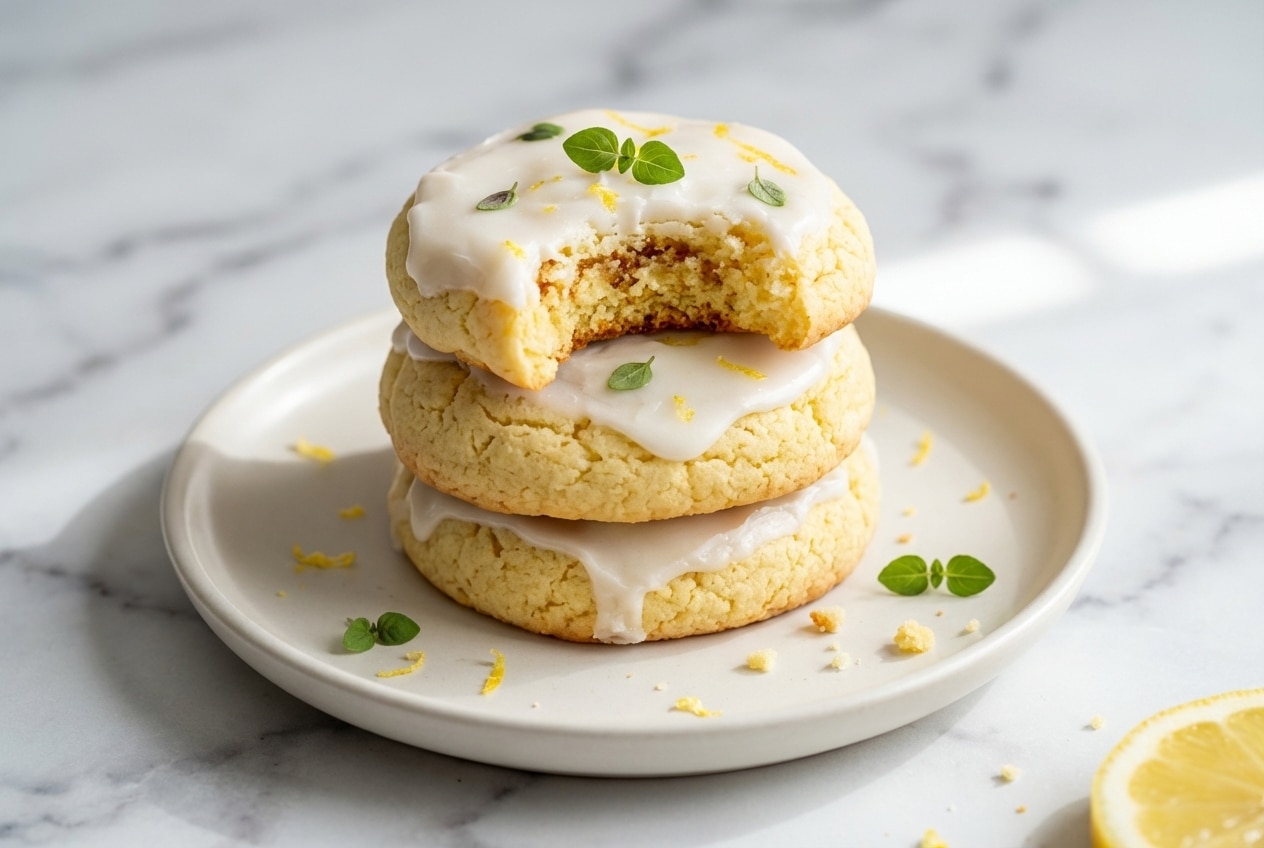
Some days, you want the sunny punch of lemon without the whole “three bowls and a mixer attachment” situation. In my kitchen, lemon cake mix cookies are the answer when a bake sale sneaks up on you, or when you just want something sweet in under twenty minutes.
But I learned the hard way that the usual box-mix method can taste a little flat and sometimes spreads into pancake cookies. This version keeps the shortcut, upgrades the flavor with a chef-y brown butter vibe, and lands that soft, pillowy center that still feels bakery-worthy.
Why You’ll Love This Recipe
The gourmet upgrade: Swapping the usual neutral fat for a brown butter style flavor adds that toasted, nutty depth that makes lemon taste brighter, not “boxed.” In my notes, it’s the difference between sweet and actually interesting.
Pillowy texture that lasts: When the eggs emulsify properly with the fat, the dough bakes up plush and chewy, not greasy. You’ll see the centers set softly while the edges just barely blush.
Potluck easy, bistro energy: This is still a one-bowl situation with a baking sheet and parchment paper, but the glaze gives you that polished finish people assume took hours.
Sweet meets sharp: A simple confectioners’ sugar glaze plus citrus zest gives you a clean, tart snap that keeps every bite from feeling too sugary.
Ingredients and Substitutions

This recipe leans on a lemon cake mix for structure, eggs for richness, and a quick lemon glaze for that bright, glossy finish. Keep everything measured, and you’ll get consistent crinkles and a tender chew.
Ingredients
- 1 box, 15.25 oz lemon cake mix (I used Betty Crocker)
- 2 large eggs
- 1/3 cup canola oil or vegetable oil
- 1 teaspoon pure vanilla extract, or substitute lemon extract for more citrus punch
- 2 cups powdered, confectioners’ sugar
- 3 tablespoons lemon juice, divided
- 1 teaspoon vanilla extract
- 1 teaspoon lemon zest, optional, for garnish
Ingredient Notes & Substitutions
Lemon cake mix: The box size here is 15.25 oz, which is about 432g, and that weight matters when brands vary. I’ve had great results with Betty Crocker, and Duncan Hines works nicely too, but weigh when you can for the same thick dough every time.
Eggs: Room temperature eggs blend into the fat more smoothly, and that emulsification helps prevent a greasy feel. If your eggs are cold, set them in a bowl of warm water for a few minutes before mixing.
Canola oil or vegetable oil: The “gourmet secret” is giving this fat more personality, either by building a brown butter style flavor or infusing gently with basil for a lemon-herb twist. Even if you keep it simple, chilling the dough later is what makes sticky cake mix dough behave.
Vanilla extract vs lemon extract: Vanilla rounds out the sweetness, while lemon extract pushes that candy-bright citrus. My preference is vanilla in the dough, then let fresh lemon juice and zest do the real lemon work.
Powdered sugar and lemon juice: The glaze should look glossy and ribbon off the whisk slowly, thick but pourable. In humid weather, I keep the drizzle slightly thicker so it sets instead of turning tacky.
How to Make lemon cake mix cookies
Prep your pan and oven
- Heat the oven to 350°F, so it’s fully ready when your dough is. Line a baking sheet with parchment paper, because these cookies are tender and the parchment keeps the bottoms clean and pale-golden.
- Clear a little counter space for a wire cooling rack later, because glazing works best when air can circulate underneath. That small setup step is what keeps the finish neat instead of puddled.
Mix the dough until it turns thick and fragrant
- In a large bowl, add the lemon cake mix, then crack in the eggs and pour in the oil, followed by the vanilla extract. Stir with purpose until you don’t see dry pockets, and the mixture turns into a soft, thick dough that smells like bright lemon cake batter.
- Stop mixing as soon as it comes together, because overworking can make the cookies bake up tougher. The dough will be sticky, that’s normal, and it should hold soft peaks when you lift your spoon.
Scoop, space, and bake
- Portion with a 2-tablespoon cookie scoop, or a heaping tablespoon, and roll gently if you can. Place the dough balls about 2 inches apart on the baking sheet so they have room to relax and spread.
- Bake for 9 to 10 minutes, watching for the edges to turn lightly golden while the centers look just set. They should look a touch underdone in the middle, because they finish cooking from residual heat.
- Let the cookies sit on the pan for 5 minutes after baking, so they firm up enough to move without tearing. You’ll feel them go from fragile to nicely set when you nudge one.
Glaze and finish like a bakery case
- While the cookies cool, whisk powdered, confectioners’ sugar with 2 tablespoons lemon juice and the vanilla extract until smooth. Add the remaining 1 tablespoon lemon juice a little at a time only if needed, aiming for a thick drizzle that falls in ribbons.
- Move cookies to a wire cooling rack set over parchment paper, then spoon or drizzle the glaze over each one. The glaze should slowly drip down the sides and set to a soft sheen.
- Sprinkle lemon zest while the glaze is still wet, if using, then let the cookies cool completely before serving or storing. Once the tops feel dry to the touch, you’re good to stack.
Secrets for Cookie Perfection

The biggest consistency secret is treating that cake mix like a “fixed amount,” not a vibe. The box is 15.25 oz, about 432g, and small brand differences can change how loose or stiff the dough feels.
I also swear by a real chilling window of 30 to 60 minutes when the dough feels especially sticky. Cake mix dough warms fast in your hands, and chilling is what keeps the cookies thicker instead of spreading thin.
If you bake at high altitude and your cookies are racing outward, a small adjustment helps. Adding 1 to 2 tablespoons of all-purpose flour gives the dough a little extra backbone, so you keep that soft center without the pancake spread.
Humidity changes the glaze more than the cookie. In muggy weather, wait until the cookies are completely cool before glazing, otherwise the confectioners’ sugar can melt into a sticky top that never quite sets.
Pro Tips & Troubleshooting
Pro Tips
- Rolling dough balls in powdered sugar twice gives thicker, whiter crinkles.
- Zest your lemons before juicing, the oils are the magic.
- A cookie scoop keeps sizing even, so bake times stay reliable.
- A little drizzle from this hot honey recipe adds a bold finish. Keep it very light so the lemon still leads.
Common Mistakes to Avoid
- Overbaking is the fastest way to lose chew, pull them at 9 to 10 minutes even if centers look soft.
- Using the liquid amounts on the cake mix box makes a batter, not cookie dough.
- Glazing warm cookies turns the finish sticky and messy instead of glossy.
- Putting dough on a hot baking sheet between batches encourages extra spreading.
Serving & Storage

Creative Serving Ideas
For a dessert board that feels fun but still polished, I like pairing these cookies with mochi ice cream for a chewy-cold contrast. The lemony bite and that stretchy mochi texture play surprisingly well together.
Lemon buttercream sandwiches are pure indulgence, especially if you keep the filling thin so the cookie stays the star. A little pinch of zest over the filling makes the whole thing smell like a fresh-cut lemon.
Tea Pairing
Earl Grey is my favorite with lemon, because the bergamot echoes the citrus without competing. For something lighter between bites, a cold lemon water recipe balances the sweetness nicely.
Storage & Make-Ahead Advice
Store cooled cookies airtight at room temperature for 5 days, and they’ll stay soft and plush. A simple slice of bread tucked into the container helps keep that pillowy center from drying out.
For make-ahead, scoop dough balls onto a lined tray and freeze until firm, then store frozen portions in a bag. You can bake straight from frozen at 350°F, just keep the same visual cues, edges barely golden and centers set, and expect them to land on the longer end of 9 to 10 minutes.

Soft & Zesty Lemon Cake Mix Cookies

Equipment
- Baking sheet
- Parchment paper
- Large mixing bowl
- Cookie scoop
- Wire cooling rack
Ingredients
- 1 box 15.25 oz lemon cake mix (I used Betty Crocker)
- 2 large eggs
- 1/3 cup canola oil or vegetable oil
- 1 teaspoon pure vanilla extract, or substitute lemon extract for more citrus punch
- 2 cups powdered, confectioners’ sugar
- 3 tablespoons lemon juice, divided
- 1 teaspoon vanilla extract
- 1 teaspoon lemon zest, optional, for garnish
Instructions
Prep your pan and oven
- Heat your oven to 350°F. Line a baking sheet with parchment paper to ensure the cookies stay pale-golden on the bottom and are easy to remove.
- Prepare a wire cooling rack on your counter to allow for proper air circulation later during the glazing process.
Mix the dough until it turns thick and fragrant
- In a large bowl, combine the lemon cake mix, eggs, oil, and vanilla extract. Stir the mixture until no dry pockets remain and a thick, soft dough forms.
- Avoid overworking the dough to keep the texture soft. The dough should be slightly sticky and hold soft peaks when the spoon is lifted.
Scoop, space, and bake
- Use a 2-tablespoon cookie scoop to portion the dough. Place the balls on the prepared baking sheet about 2 inches apart to allow for spreading.
- Bake for 9 to 10 minutes. The edges should be lightly golden and the centers just set. They may look slightly underdone, but they will finish cooking on the pan.
- Let the cookies rest on the baking sheet for 5 minutes to firm up before moving them.
Glaze and finish like a bakery case
- Whisk together the powdered sugar, 2 tablespoons of lemon juice, and vanilla extract. Add the final tablespoon of lemon juice gradually until the glaze falls in thick ribbons.
- Transfer the cookies to the wire rack. Drizzle the glaze over each cookie and garnish with lemon zest while the glaze is still wet.
- Allow the cookies to cool completely until the glaze is dry to the touch before serving or stacking.
Notes
Nutrition
Conclusion
A box of mix can absolutely taste like something special, and these lemon cake mix cookies prove it. The small chef touch is depth, that brown-butter-like toasted note, plus fresh lemon juice and zest for lift.
If you want to play, the basil infusion idea is a gorgeous twist with the same cozy cookie base. And if you’re in the mood for another easy dessert shortcut, my ice cream toast scratches that same “fast but impressive” itch.
Frequently Asked Questions
Can I substitute the oil with butter?
Yes, an equal amount of melted butter works, and browned butter adds the richest toasted flavor. The key is letting it cool slightly before it hits the eggs, so you don’t scramble them.
How do I prevent my cookies from spreading too much?
Chill the dough 30 to 60 minutes, and never scoop onto a hot baking sheet. If you’re baking at high altitude, adding 1 to 2 tablespoons of all-purpose flour helps.
Why didn’t my powdered sugar crinkle?
Warm, soft dough can absorb the sugar and make it disappear. Chill longer and roll the dough balls in powdered sugar twice for a thicker coating.
How long do these cookies stay fresh?
In an airtight container at room temperature, they stay fresh for up to 5 days. For an even fudgier bite, refrigeration is fine, but let them come back to room temp before serving.
Can I use a different flavor of cake mix?
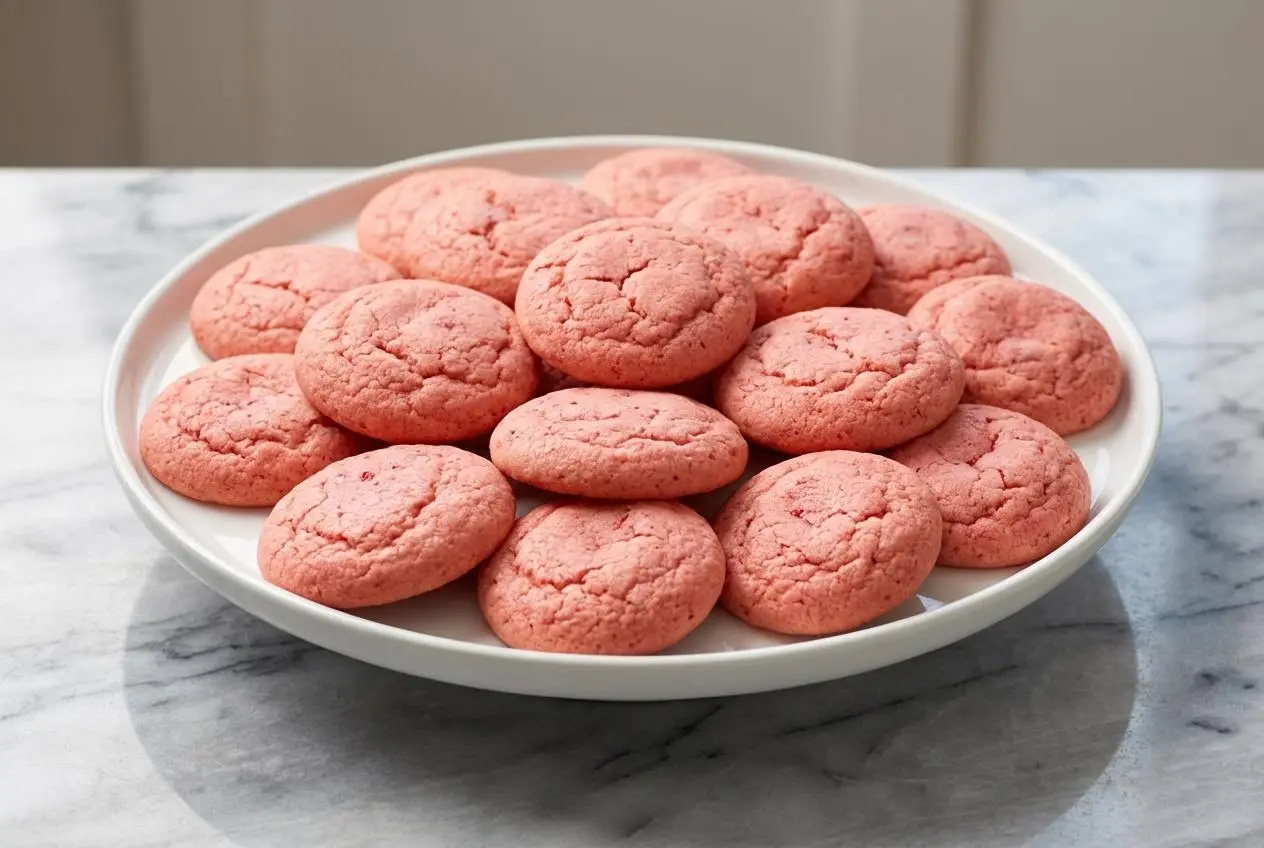
Yes, this same ratio, 1 box mix, 2 eggs, and 1/3 cup fat, works with vanilla or strawberry too. Just keep the bake time at 9 to 10 minutes and use the same “edges barely golden” cue.