Skip to content
In my family, dishes like this always bring me right back to the kind of Sunday supper where the table was crowded, the potatoes were mashed by hand, and everybody reached for seconds before the gravy even hit the bowl. Mock chicken legs have that same old-fashioned magic, and they do it with humble ingredients and a little kitchen know-how.
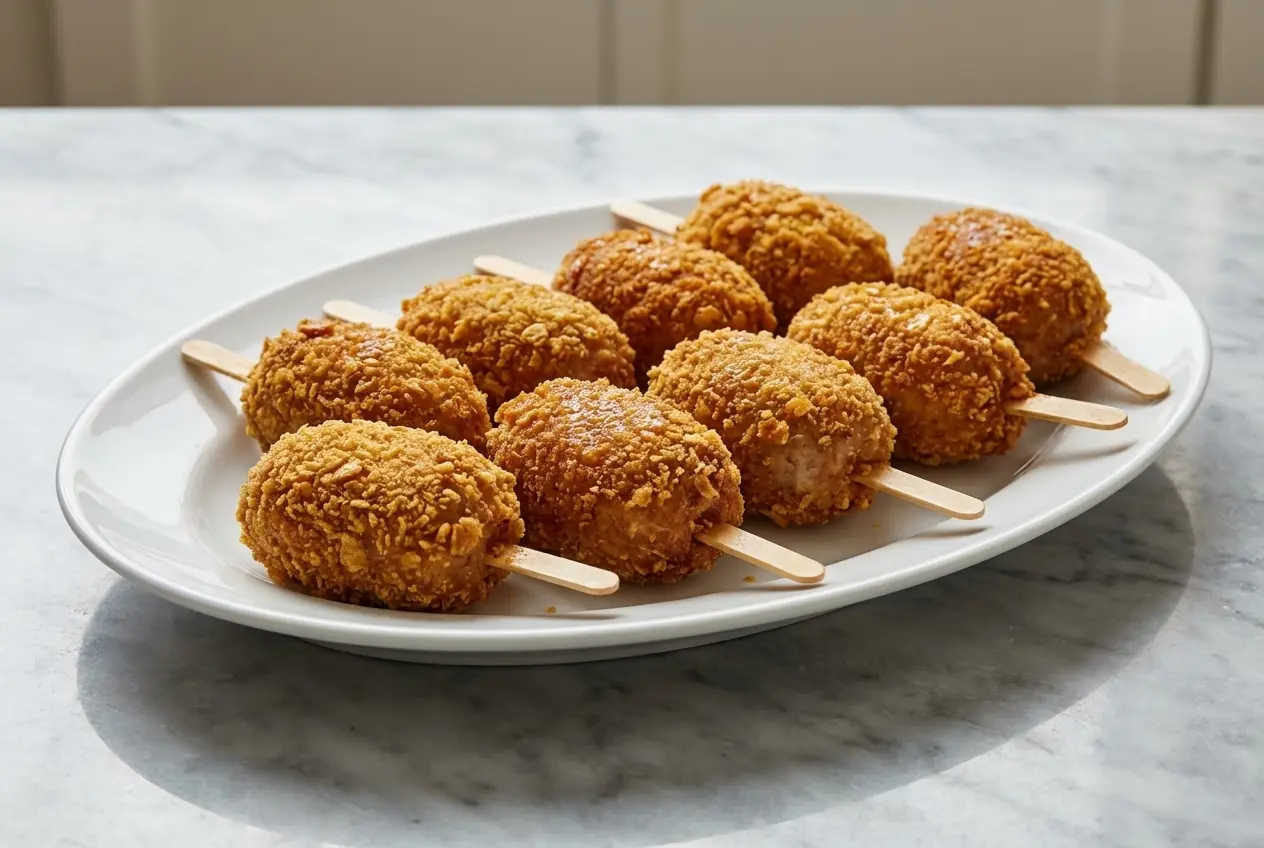
If you have never made mock chicken legs before, think of them as savory meat logs shaped on sticks, breaded until crisp, then finished until juicy and tender inside. This Depression-era favorite, especially beloved across the Midwest, still earns a spot at the table because it is comforting, clever, and deeply satisfying.
Why You’ll Love This Recipe
That nostalgic flavor: In my kitchen, the little trick that changes everything is adding 1/2 teaspoon of poultry seasoning to the meat mixture. Sage, thyme, and marjoram give ground pork and ground veal that familiar Sunday-dinner aroma people instantly associate with roast chicken.
A crunch worth hearing: I love a coating that stays crisp, and the best version I have tested uses a 50/50 mix of crushed Ritz crackers and cornflakes. It turns more buttery and deeply golden than plain cornflake crumbs or traditional breadcrumbs, with a crust that crackles before you reach the tender center.
Smart old-school cooking: This is one of those Depression era recipes that proves thrift and flavor can live on the same plate. The contrast between the crunchy shell and juicy interior makes City Chicken feel special, even though the ingredients are wonderfully simple.
Reliable and family-friendly: Once you know how to squeeze the meat firmly around the stick and let the coating rest, the whole process becomes easy. I come back to this recipe whenever I want comfort food that feels both playful and deeply rooted in American home cooking.
Ingredients and Substitutions

These ingredients build a classic, old-fashioned batch with a tender meat mixture inside and a crisp coating outside. The balance is simple, but each piece plays an important role.
Ingredients
- 1 egg, room temperature, lightly beaten
- 1/2 cup cornflake crumbs
- 1/4 cup milk
- 2 tablespoons finely chopped green pepper
- 1 teaspoon salt
- 3/4 pound ground pork
- 3/4 pound ground veal
- 12 Popsicle sticks
COATING:
- 1 egg
- 1/4 cup milk
- 2 cups cornflake crumbs
- Oil for frying
Ingredient Notes & Substitutions
Ground pork and ground veal: A 50/50 mix is the traditional choice for mock chicken legs and City Chicken because pork brings moisture while veal keeps the texture delicate. If ground veal is hard to find or too pricey, I have had good results using all pork instead.
Pork fat: Do not choose pork that is overly lean if you can help it. A bit of natural fat keeps the inside moist during the final bake, which matters because ground pork trimmings and veal can dry out quickly if the mix is too lean.
Cornflake crumbs: These give the crust its classic old-school crunch and a lovely golden finish. If your crumbs seem coarse, crush them a touch finer so they cling more evenly to the meat logs.
Ritz crackers: For the richest variation, I like to replace part of the coating crumbs with crushed Ritz crackers even though the base ingredient list is simple. Their higher fat content encourages better browning meat on the surface and gives a more buttery crust.
Poultry seasoning: This is my favorite flavor upgrade for an authentic mock chicken effect. Even a small amount of poultry seasoning, especially one with sage, thyme, and marjoram, creates that unmistakable roast-chicken aroma without changing the spirit of the dish.
Popsicle sticks: They give the classic leg shape and make these especially fun to serve. If you do not have them, wooden skewers work well too, though I shape a little more carefully so the meat stays secure and balanced.
How to Make Mock Chicken Legs
Mix the Meat Base
- Set a large bowl on the counter and whisk together the lightly beaten egg, 1/2 cup cornflake crumbs, 1/4 cup milk, green pepper, and salt until everything looks evenly moistened. If you are using poultry seasoning for that extra chicken-like aroma, stir it in here so it perfumes the whole mixture.
- Crumble in the ground pork and ground veal, then mix gently but thoroughly until the meat is just combined with the binder. You want a cohesive mixture that holds together when pressed, not a paste that has been overworked.
Shape and Bread the Legs
- Measure about 1/4 cup of the meat mixture for each piece and press it firmly around the top half of each Popsicle stick, forming a compact 3-inch log. Squeeze out any air pockets as you shape so the meat grips the stick tightly and stays put during frying.
- In one shallow bowl, whisk the coating egg and 1/4 cup milk until smooth. Put the remaining cornflake crumbs in another shallow bowl, then roll each meat log in the crumbs, dip it into the egg mixture, and coat it again in crumbs for a thicker crust.
- Let the breaded legs stand for 5 minutes while you preheat the oven to 350°F. That short rest helps the coating settle onto the surface instead of sliding off when it hits the hot oil.
Fry Until Golden
Pour 1/4 inch of oil into an electric skillet and heat it to 375°F. Fry the legs a few at a time for 1 minute on each side, just until the outside turns golden and crisp, then transfer them to paper towels to drain.
Finish in the Oven
Arrange the browned mock chicken legs on an ungreased baking sheet and bake at 350°F for 15 to 20 minutes. They are ready when no pink remains inside and a meat thermometer reads 160°F, with the crust still crisp and the center juicy.
Secrets for Perfection

The little pause after breading is not wasted time, it is insurance. When the coated meat rests for 5 to 10 minutes, the moisture from the egg wash and surface of the meat hydrates the crumbs so they cling better in the hot oil instead of slipping away.
The bond between meat and stick comes down to pressure. I always tell people to really squeeze the mixture around the stick, because air pockets are what make these loosen, crack, or fall off when frying starts.
The two-stage method is the reason this dish works so beautifully. A quick fry at 375°F creates color and crunch fast, then the oven finishes the inside more gently so the leaner veal stays tender instead of turning dry and crumbly.
The History and Heritage of City Chicken
Mock chicken legs, often called City Chicken, are one of those brilliant Depression era recipes born from necessity and imagination. In many urban communities, pork and veal were sometimes easier to get or more affordable than actual chicken, which is why this clever culinary invention from the Depression era found such a loyal following.
Across the Great Lakes, this dish became part of the local food language, especially in places like Pittsburgh, Cleveland, and Detroit. Its staying power says a lot about regional cooking, and its identity as a Great Lakes regional staple still feels true today whenever a platter of golden City Chicken lands on the table.
Later on, wartime thrift and practical home cooking helped keep the dish alive. What started as an economical stand-in became a beloved comfort food, proof that some of the most memorable recipes come from cooks who knew how to turn modest ingredients into something people crave for generations.
Essential Temperature and Safety Guidelines
Because this recipe uses a mixture of ground pork and ground veal, 160°F is the number to remember. That internal temperature keeps the meat safe to eat while still preserving the juicy texture that makes mock chicken legs so satisfying.
An instant-read meat thermometer takes the guesswork out of the final bake. I rely on one every time, because the difference between perfectly cooked and overdone can be just a few extra minutes, especially with smaller meat logs.
Oil temperature matters just as much as oven temperature. If the oil drops below 375°F, the coating absorbs more fat and can turn greasy instead of crisp, which is why frying only a few at a time gives you better browning and cleaner texture.
Pro Tips & Troubleshooting
Pro Tips
- If the meat mixture feels too soft to shape neatly, chill it for 30 minutes before forming the logs. Cold meat is easier to press firmly around the sticks.
- An electric skillet makes temperature control much easier during the flash-fry stage. I like it for the same reason dependable skillet cooking works so well in other old-fashioned recipes, it holds steady heat and keeps the crust evenly golden.
- Use a meat thermometer instead of judging doneness by color alone. It is the simplest way to stop at 160°F and keep the interior moist.
Common Mistakes to Avoid
- Crowding the pan is a fast way to end up with soggy breading. Fry only a few at a time so the oil stays hot enough to crisp the coating.
- Using meat that is too lean can leave the finished legs dry. A little fat in the pork is what gives the inside that tender, juicy bite.
- Shaping the meat too loosely around the stick can cause it to split or slide off. Press firmly and smooth the surface before breading.
Serving & Storage

Serving Ideas
For the full 1940s supper-club feeling, I like to serve these with mashed potatoes, buttered peas, and a spoonful of cranberry sauce. A side of cream of mushroom soup gravy is another Midwestern touch, especially if you want that old neighborhood City Chicken style.
Vegetables with a little sweetness or char work beautifully here. Summer meals feel especially right with corn on the cob, while cooler weather calls for roasted brussels sprouts that echo the savory notes of sage and thyme.
Storage & Reheating
Let leftovers cool, then store them in an airtight container in the refrigerator for up to 3 days. To bring back that crisp exterior, reheat them in a 375°F air fryer or in a 375°F oven until heated through.
The microwave will warm them, but it softens the coating and steals some of their charm. If crispness matters, dry heat is the better choice every time.
For freezing, arrange the cooked or uncooked breaded legs on a tray and freeze until firm, then transfer them to a freezer bag or airtight container. That flash-freeze step keeps them from sticking together and makes them handy for a make-ahead appetizer or quick weeknight dinner.

Old-fashioned Mock Chicken Legs

Equipment
- Electric skillet
- Baking sheet
- Meat thermometer
- Popsicle sticks
Ingredients
- 1 egg, room temperature, lightly beaten
- 1/2 cup cornflake crumbs
- 1/4 cup milk
- 2 tablespoons finely chopped green pepper
- 1 teaspoon salt
- 3/4 pound ground pork
- 3/4 pound ground veal
- 12 Popsicle sticks
COATING:
- 1 egg
- 1/4 cup milk
- 2 cups cornflake crumbs
- Oil for frying
Instructions
Mix the Meat Base
- In a large bowl, whisk together the lightly beaten egg, 1/2 cup cornflake crumbs, 1/4 cup milk, chopped green pepper, and salt until evenly moistened. If using poultry seasoning, stir it in now.
- Gently crumble the ground pork and ground veal into the bowl. Mix by hand until just combined, being careful not to overwork the meat into a paste.
Shape and Bread the Legs
- Divide the meat into 1/4 cup portions. Press each portion firmly around the top half of a Popsicle stick, creating a compact 3-inch log and ensuring there are no air pockets.
- Prepare the coating by whisking one egg with 1/4 cup milk in a shallow dish. Place the remaining 2 cups of cornflake crumbs in another shallow dish. Roll each meat log in crumbs, dip in the egg wash, then coat again in crumbs.
- Let the breaded legs rest for 5 minutes to allow the coating to set while you preheat the oven to 350 degrees F.
Fry Until Golden
- Heat 1/4 inch of oil in an electric skillet to 375 degrees F. Fry the legs in small batches for about 1 minute per side until the exterior is golden and crisp.
Finish in the Oven
- Place the browned legs on an ungreased baking sheet. Bake for 15 to 20 minutes until the internal temperature reaches 160 degrees F and no pink remains.
Notes
Nutrition
Conclusion
Mock chicken legs are one of those rare old-fashioned dishes that still feel fun, practical, and deeply comforting. The crisp coating, juicy center, and chicken-like aroma from poultry seasoning give them a nostalgic charm that never really goes out of style.
If you are in the mood for a family dinner with a little history behind it, this is a wonderful place to start. Once you get the shape and texture down, you can keep it classic or add your own small twists and make it part of your regular comfort-food rotation.