Skip to content
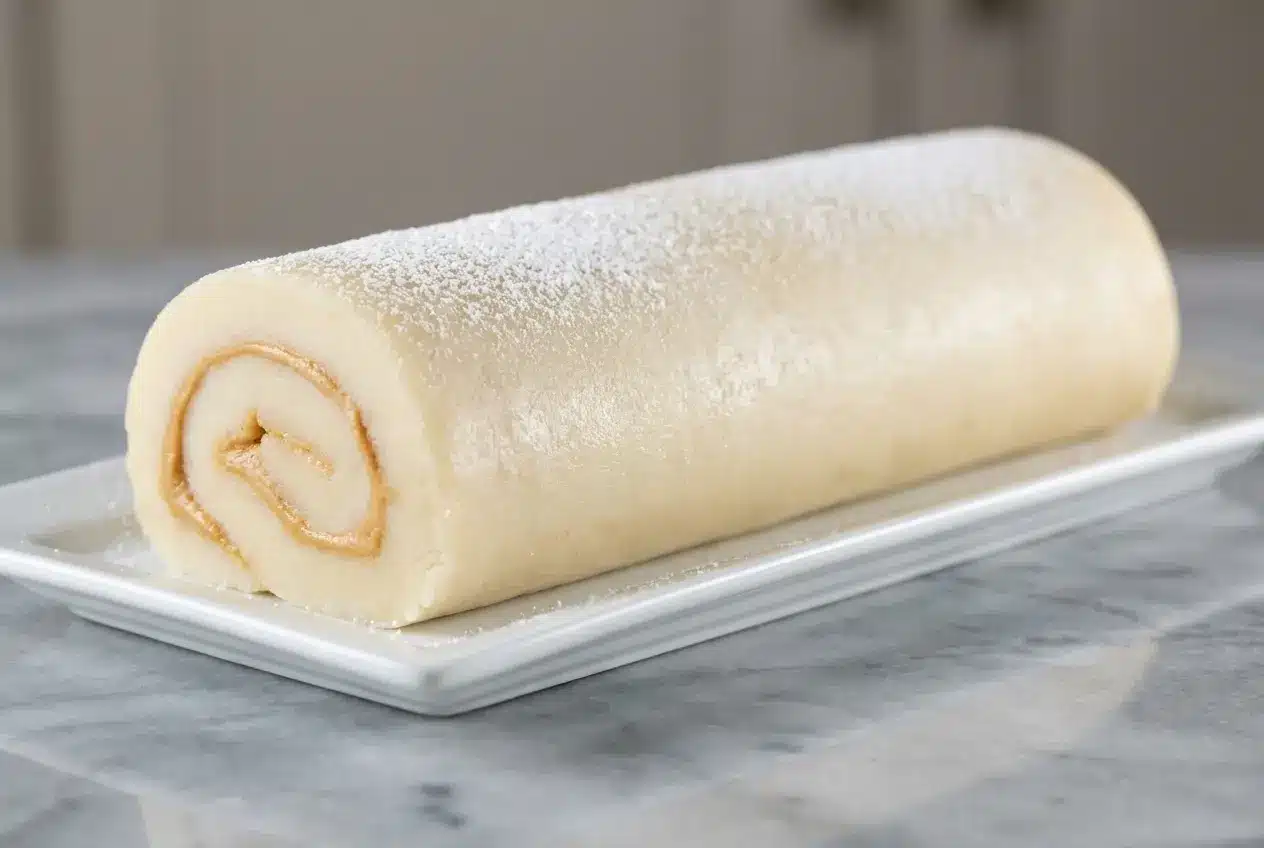
Potato candy always feels a little like kitchen magic to me. A humble Appalachian sweet born from lean times, this potato candy recipe turns a plain baking potato and pantry staples into a soft, fudge-like treat with those beautiful peanut butter swirls that stop people in their tracks.
In my kitchen, I like giving old recipes a small upgrade without losing their soul. This version keeps the no-bake charm and family-friendly simplicity of the original, but the brown butter and sea salt touch brings a deeper, more balanced flavor that makes each bite taste nostalgic and just a bit more grown-up.
Why You’ll Love This Recipe
That old-fashioned flavor: This is one of those Depression-era recipes that proves simple ingredients can still feel special. The sugar dough stays soft and melt-in-your-mouth, while the creamy peanut butter gives every slice that classic sweet-salty finish.
The brown butter twist: I discovered that a little browned butter changes everything. Its toasted, nutty aroma gives this no-bake candy more depth, and the sea salt keeps the confectioners’ sugar from tasting flat or overly sharp.
Easy and family-friendly: There is no oven time beyond cooking the potato, and the jelly roll style assembly is fun to make with kids. If your family enjoys simple, high-reward kitchen projects like cookie butter popcorn, this candy has that same irresistible homemade charm.
Ingredients and Substitutions

These pantry staples create a surprisingly silky candy, with the potato acting as the binder and the peanut butter bringing the creamy center that makes each slice instantly recognizable.
Ingredients
- 1 medium baking potato
- 1/2 teaspoon pure vanilla extract, maple flavoring, or almond extract
- 2 pounds powdered sugar (confectioners’ sugar), sifted
- 1/2 cup creamy peanut butter
Ingredient Notes & Substitutions
Russet potato: A starchy potato is the backbone of good potato candy. Russet potato is the one I reach for every time because it mashes up dry and fluffy, which helps the sugar dough come together instead of turning slick or syrupy.
Creamy peanut butter: Choose a smooth, flavorful peanut butter that spreads easily over chilled dough. I especially like a good salted peanut butter here because that little extra salinity helps balance the intense sweetness and keeps the filling from tasting one-note.
Confectioners’ sugar: Sifted confectioners’ sugar matters more than people think. It blends faster, prevents little gritty pockets in the dough, and gives the finished candy that silky, almost old-fashioned fudge texture.
Flavor extract: Vanilla is the classic choice and keeps the flavor familiar. Maple flavoring adds a warm, autumn-like depth that pairs beautifully with peanut butter, while almond extract gives the candy a more bakery-style aroma, so pick the one that suits your table.
Variations: If you enjoy playing with vintage sweets, you can tint the dough for holiday swirls or even dip chilled slices in chocolate for a richer finish. Just keep the core dough simple and avoid adding extra liquid, because even a small splash can throw off the texture.
How to make potato candy recipe
Prepare the potato base
- Cook the baking potato by baking or microwaving it until a fork slides in easily with no resistance. Avoid boiling it, because extra water is the enemy of a good sugar dough.
- While the potato is still warm, scoop out the flesh and mash it until completely smooth. If you want the silkiest texture, press it through a potato ricer first, then mash out any last tiny lumps so the final candy stays velvety.
Build the sugar dough
- Stir in the vanilla extract, maple flavoring, or almond extract while the potato is still slightly warm. At this stage, the mixture should smell gentle and sweet, with the potato acting more like a blank canvas than a flavor of its own.
- Add the sifted powdered sugar gradually, mixing as you go. You will watch the mixture transform from soft and loose into a thick, workable dough, and by the time the last of the sugar goes in, it will be very stiff and genuinely hard to stir, which is exactly what you want.
- Refrigerate the dough for at least 1 hour so it firms up enough to roll cleanly. When properly chilled, it should feel cool, dense, and only slightly tacky.
Roll and fill
- Set a large sheet of parchment paper or a Silpat on a cutting board and dust the surface well with powdered sugar. Roll the chilled dough into a rectangle about 1/4-inch thick, adding a little more sugar if the surface starts to feel sticky or soft under the rolling pin.
- Spread the creamy peanut butter evenly over the top, leaving a small border around the edges so the filling does not squeeze out as you roll. The layer should be smooth and even, not overly thick.
Shape, chill, and slice
- Roll the dough up tightly into a jelly roll shape, much like a cinnamon roll log. Wrap it snugly in plastic wrap and refrigerate for 3 to 4 hours, until the spiral feels firm and holds its shape when handled.
- Slice the chilled roll into pieces about 1/2 inch thick with a sharp knife. Store the candy in the refrigerator, and if you prefer a softer bite, let it sit briefly at room temperature before serving, keeping the pieces covered so they do not dry out.
Secrets for a Perfect Sugar Dough

The part most recipes skip is the hygroscopic nature of sugar dough. Powdered sugar naturally pulls moisture from the mashed potato, so the exact amount you need depends on how wet that potato is to begin with, which is why one cook gets a neat roll and another gets a puddle.
For consistency, I like to think in weight as much as size. Aim for about 100 to 120 grams of mashed potato, because “one medium potato” can swing wildly from too little to far too much, and that difference changes the whole structure of the candy.
A potato ricer is one of the best tools for this recipe. Even tiny lumps can leave damp spots in the dough, and those little bumps ruin the smooth, silky finish you want, a bit like the difference between a perfectly whipped frosting and a heavy, uneven batch of cinnamon buttercream.
The History and Heritage of Appalachian Potato Candy
Potato candy belongs to that deeply resourceful corner of American cooking where Appalachian cuisine and Pennsylvania Dutch thrift overlap. During the Great Depression, home cooks leaned on inexpensive pantry goods and whatever starch they had on hand, turning a plain potato into something that looked almost luxurious on a dessert plate.
What I love most is the ingenuity behind it. The potato worked as a cheap, starchy binder, helping create a candy-like dough when butter, cream, and traditional confection ingredients were harder to spare, and that kind of practical brilliance still feels impressive today.
The Science of Moisture in No-Bake Confections
Starchy potatoes are dramatically better here than waxy ones. Red potatoes and Yukon Golds hold more moisture, and that extra water can dissolve the sugar into a glossy syrup instead of letting it form a pliable sugar dough.
One small trick makes a real difference in my kitchen. After mashing the potato, I sometimes return it to a warm pan over low heat for about 1 minute to let excess steam escape, and that drying step gives the dough a much better chance of setting up properly once the confectioners’ sugar is mixed in.
This is also why the potato should cool slightly before the sugar goes in. If the potato is piping hot, the sugar can start melting too fast, but if it is ice cold, it will not blend as smoothly, so a gently warm mash is the sweet spot.
Pro Tips & Troubleshooting
Pro Tips
- Sift the powdered sugar before mixing so the dough stays smooth and free of grainy pockets.
- If you have one, use a potato ricer for the mashed potato. It creates a finer, more even base than hand mashing alone.
- A little potato goes a long way. If your potato seems large, start with a modest amount of mash so you do not end up needing far more sugar than expected.
- If the dough sticks to the rolling pin, roll it between sheets of wax paper or parchment for easier handling.
- For a richer variation, chilled spirals can be dipped partway in chocolate. When I want that extra candy-shop finish, the same careful approach used to melt chocolate smoothly helps keep the coating glossy and neat.
Common Mistakes to Avoid
- Using leftovers: Never use mashed potatoes that contain milk, cream, butter, or savory add-ins like garlic. They will keep the candy from setting correctly.
- Choosing the wrong potato: Waxy potatoes hold too much water and can turn the mixture into a liquid mess.
- Rushing the chill: If the dough is not thoroughly cold before rolling and filling, the peanut butter can smear into the dough instead of staying in a clean spiral.
- Mixing sugar into a very hot potato: Too much heat can make the sugar break down too quickly and leave the dough looser than it should be.
- Skipping extra sugar on the work surface: A lightly dusted board is often not enough, and tacky dough can tear if you try to force it.
Serving & Storage

Serving Ideas
Potato candy is best served chilled, when the slices feel firm and the spiral looks crisp and distinct. I love it with strong black coffee, because that slight bitterness cuts through the sweetness in the most satisfying way.
For holiday trays, tuck each slice into a mini cupcake liner so they look tidy and polished. They also fit nicely on a mixed sweets platter with playful options like dessert kabobs, where the different shapes and textures make the whole spread feel more generous.
If you are building a nostalgic treat box, these swirled candies sit beautifully alongside other old-school favorites such as butterscotch cookies. The mix of creamy candy and crisp cookies gives people a little of everything without overwhelming the plate.
Storage & Make-Ahead
Store the slices in an airtight container in the refrigerator. Because this candy is sugar-heavy, it can dry out if left uncovered, and in humid conditions it may weep or turn sticky as it pulls moisture from the air.
For longer storage, wrap the whole roll or individual slices tightly in plastic wrap and then a layer of foil before freezing. They keep well for up to 3 months, and thaw best overnight in the refrigerator so the texture stays neat rather than sweaty.

Old-fashioned Potato Candy Recipe

Equipment
- Potato ricer
- Rolling Pin
- Parchment paper
Ingredients
- 1 medium baking potato
- 1/2 teaspoon pure vanilla extract, maple flavoring, or almond extract
- 2 pounds powdered sugar (confectioners’ sugar), sifted
- 1/2 cup creamy peanut butter
Instructions
Prepare the potato base
- Cook the baking potato by baking or microwaving it until a fork slides in easily with no resistance. Avoid boiling it to prevent excess moisture.
- While the potato is still warm, scoop out the flesh and mash it until completely smooth. For the best results, press it through a potato ricer to eliminate any lumps.
Build the sugar dough
- Stir in your choice of vanilla extract, maple flavoring, or almond extract while the mashed potato is still slightly warm.
- Add the sifted powdered sugar gradually, mixing thoroughly as you go. The mixture will transform into a very stiff, thick dough that is difficult to stir.
- Refrigerate the dough for at least 1 hour until it is firm and dense enough to roll cleanly.
Roll and fill
- Place the chilled dough on a large sheet of parchment paper dusted well with powdered sugar. Roll it into a rectangle about 1/4-inch thick.
- Spread the creamy peanut butter evenly over the dough, leaving a small border around the edges to prevent the filling from squeezing out.
Shape, chill, and slice
- Roll the dough up tightly into a jelly roll shape. Wrap the log snugly in plastic wrap and refrigerate for 3 to 4 hours until firm.
- Slice the chilled roll into 1/2-inch thick pieces. Store in the refrigerator in an airtight container.
Notes
Nutrition
Conclusion
This potato candy recipe keeps the heart of the old classic intact while giving it a more balanced personality through brown butter and sea salt. The result is still sweet, creamy, and wonderfully nostalgic, but with a little extra depth that makes you reach for one more slice.
If you have never made this Appalachian favorite before, this is a lovely place to start. Once you get a feel for the dough, small touches like maple flavoring or a chocolate dip can make it feel completely your own.